
Part 1: General Observations of Campus Protests
Unpacking the Delay: Enhancing Emergency Response on College Campuses Amid Increasing Protests
College campuses have historically been epicenters of vibrant discussion and peaceful protests, serving as a stage for students and community members to voice their concerns and advocate for change. However, in recent years, an alarming trend has emerged where these demonstrations, originally peaceful, are escalating into violent confrontations. This worrying development has exposed significant vulnerabilities in crisis management systems across various institutions and underscored the need for a strategic overhaul in how emergencies are handled.
Nature and Evolution of Campus Protests
College protests, anchored in the tradition of academic freedom, play a pivotal role in shaping discourse and driving social change. Originating from a diverse array of causes—ranging from civil rights to climate change—these demonstrations are typically characterized by their passionate, yet peaceful, gatherings. However, the landscape of campus protests has evolved significantly. What once were primarily peaceful marches and rallies have, in some instances, escalated into more intense confrontations. This shift has not only introduced new dynamics into campus life but has also posed complex challenges for managing safety and security.
The transition from peaceful protests to violent escalations can often be traced to a variety of factors. These include the injection of external agitators, misunderstandings between protesters and law enforcement, or the spontaneous outbreak of conflict among differing groups. Each of these elements can dramatically change the nature of a protest, turning a controlled demonstration into a potentially hazardous situation that requires immediate and effective crisis management strategies.
Detailed Analysis of Protest Dynamics
The anatomy of a campus protest often begins with a well-organized plan, clear objectives, and designated leaders who guide the demonstration’s course. Initially, the atmosphere at such events is controlled and predictable. However, the introduction of counter-protesters or provocative elements can quickly alter this dynamic. For instance, when opposing groups interact, the risk of physical confrontations increases, often exacerbated by emotional responses and the crowd’s psychology.
Additionally, the physical environment of a protest can influence its trajectory. Narrow pathways, confined spaces, and the proximity of symbolic or contentious locations on campus can contribute to tensions. When space becomes a constraint, minor scuffles can escalate into broader conflicts, making crowd control more challenging and increasing the likelihood of injuries.
Campus Protests: A Microcosm of Wider Social Issues
Campus protests not only reflect broader societal tensions but also amplify them within the microcosm of university life. Issues like racial inequality, economic disparity, and political division find intense expression in these academic settings, where the youth are more politically active and socially conscious. This heightened sensitivity can lead to more frequent and intense demonstrations, necessitating a robust response mechanism that can handle the complexities of modern campus protests.
Emergency Response Analysis
The initial response to campus protests is critical in setting the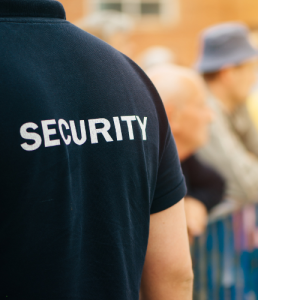 tone for how events will unfold. Effective management relies on quick, coordinated actions by campus security and local law enforcement. However, challenges in this area are multi-faceted, involving delays in response, miscommunication, and often, an underestimation of the resources required to handle escalating situations.
Challenges in Communication During Protests
Effective communication during a crisis is indispensable.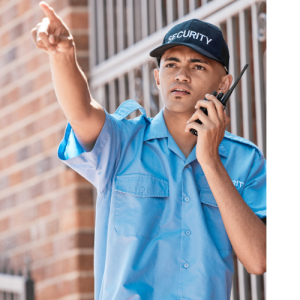 However, during campus protests, several communication challenges can arise:
These foundational issues set the stage for a deeper exploration of how emergency management can be optimized to handle the evolving nature of campus protests effectively. By understanding these dynamics, institutions can prepare more comprehensive strategies that not only respond to crises as they occur but also work proactively to prevent violence and ensure the safety of all participants.
Part 2: Challenges in Emergency Management
Comprehensive Assessment of Response Times
Efficient response times are paramount in managing campus protests effectively, yet this remains one of the most critical challenges faced by institutions. The delay between the initial onset of a protest turning violent and the arrival of adequate security measures can exacerbate the situation, leading to injuries and property damage. Understanding and addressing the factors contributing to delayed responses is crucial for improving overall safety.
 hinder rapid deployment. This includes the physical layout of the campus, which may have multiple access points or restricted areas that complicate the movement of emergency responders. Additionally, the availability of personnel ready to respond during off-hours or weekends can impact response times.
Challenges in Resource Allocation and Management
Effective management of resources during a protest is crucial for maintaining control and ensuring safety. However, several challenges can impact resource allocation:
 the resources needed to handle potential escalations in protests is essential. This includes personnel, crowd control equipment, and emergency medical resources. Often, misjudgments about the scale of a protest or the intensity of potential confrontations can lead to insufficient resource allocation.
Safety Protocols and Their Implementation
The development and implementation of safety protocols are critical in managing protests effectively. However, existing safety measures often fail during unexpected violent escalations due to several reasons:
Communication Challenges and Solutions
Effective communication during campus protests is essential for managing the situation and ensuring the safety of all involved. However, achieving this can be challenging due to several factors:
By addressing these challenges, institutions can enhance their emergency management capabilities and ensure that they are better prepared to handle the complexities of modern campus protests. This preparation involves not only improving immediate response capabilities but also building a framework that allows for quick adaptation to changing circumstances, ensuring the safety and security of the campus community in any situation.
Part 3: Bridging Challenges to Solutions
As colleges continue to navigate the complexities of campus protests, bridging the identified gaps in emergency management is crucial. Here, we explore how integrating innovative strategies and technologies can significantly enhance response capabilities and overall campus safety.
Strategic Enhancements in Emergency Response
 should invest in advanced planning and simulation tools that allow for detailed scenario planning and response testing. By utilizing virtual reality (VR) and augmented reality (AR) technologies, campuses can simulate various protest scenarios, providing security personnel with realistic training environments. These simulations can help refine decision-making processes, crowd management strategies, and emergency response timing, ensuring a well-coordinated action when real situations arise.
Communication and Coordination Excellence
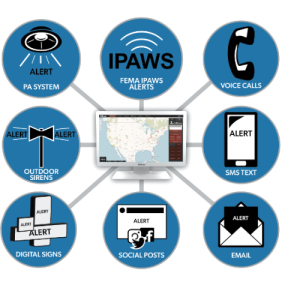 challenges of disjointed communication efforts, campuses should invest in unified communication platforms that seamlessly integrate different agencies and services. These platforms should facilitate instant data sharing and communications not only among campus security and local police but also with fire departments, medical teams, and even protest organizers to ensure a coordinated response.
Part 4: Implementing Change
Actionable Recommendations for Campus Security
 security protocols should be regularly reviewed and updated to align with the latest safety standards and response strategies. This should include revising resource allocation plans, emergency contact lists, and engagement strategies to ensure they are current and actionable.
Case Studies of Successful Implementation
Successful implementations of these strategies can be seen in various institutions that have managed to drastically reduce response times and effectively handle campus protests with minimal conflicts. For instance, a major university on the East Coast has integrated drone technology and AI analytics to monitor and manage large gatherings, leading to a noticeable decrease in protest escalations. Another university has developed a robust training simulator environment that prepares their security personnel for a range of scenarios, ensuring readiness and effective handling of real-world situations.
Conclusion
Enhancing emergency response capabilities on college campuses is an ongoing challenge that requires a dynamic and integrated approach. By embracing technological advancements, refining communication strategies, and investing in comprehensive training and resources, institutions can significantly improve their preparedness and response to campus protests. This proactive stance not only safeguards the physical safety of students and staff but also protects the fundamental rights to free speech and peaceful assembly, ensuring that campuses remain vibrant centers of debate and discussion in a secure environment.
Part 5: Future Directions and Sustainability with HQE Systems Technologies
As college campuses continue to navigate complex security challenges, the integration of advanced, lifesaving technologies from providers like HQE Systems is crucial. These innovative solutions are designed to enhance the effectiveness and responsiveness of emergency protocols, supporting both immediate safety and long-term security strategies.
Integration of HQE Systems’ Advanced Technologies
Acoustic Hailers for Effective Crowd Management: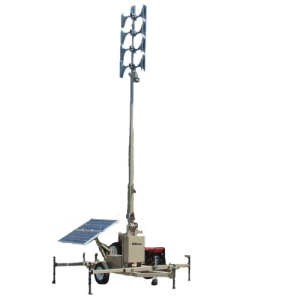
HQE Systems offers state-of-the-art acoustic hailers, essential for managing large crowds during campus events or emergencies. These devices can deliver clear, audible instructions and warnings across wide areas, ensuring that crucial communications reach all individuals swiftly and effectively. This technology is pivotal in guiding crowds safely during emergencies, helping to prevent panic and streamline evacuation or other necessary actions.
Mobile Surveillance Units with Advanced Capabilities: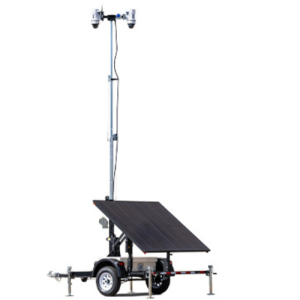
HQE Systems specializes in equipping campuses with mobile surveillance units that include acoustic hailers and comprehensive CCTV systems featuring facial recognition technology. These units can be strategically positioned during large events or protests to monitor crowd movements and identify potential security threats. The mobility of these units allows for flexible deployment based on real-time needs and crowd dynamics, providing a critical advantage in maintaining campus safety.
Integration with Existing Alert Systems:
While many campuses already utilize alert software systems, the addition of advanced surveillance tools like CCTV with facial recognition can significantly enhance these systems. By providing visual monitoring capabilities, these technologies complement existing alert systems, enhancing overall situational awareness and enabling a more coordinated response to incidents.
Expanding Emergency Management Capabilities
Incorporating advanced predictive analytics can significantly improve campus safety by anticipating potential flashpoints before they erupt into violence, allowing security teams to take preemptive action to defuse tensions. Additionally, wearable technology for security personnel can enhance communication in the field and provide real-time health monitoring, which is crucial for ensuring their safety during intense and chaotic situations. These technologies include:
Advanced Predictive Analytics:
Wearable Technology for Security Personnel:
Conclusion
Enhancing emergency response capabilities on college campuses is an ongoing challenge that requires thoughtful consideration and the adoption of cutting-edge technologies. By integrating HQE Systems’ advanced technologies and innovative solutions, educational institutions can ensure they are well-prepared to handle any situation effectively. These technologies not only improve immediate safety outcomes but also contribute to the long-term resilience and sustainability of campus security systems. Moving forward, the collaboration between technology providers and educational institutions will be crucial in shaping a safe and secure environment conducive to learning and growth.
Enhancing Campus Safety: Proactive Measures and Technological Integration
The challenge of ensuring safety on college campuses is multifaceted, demanding a dynamic approach that leverages the latest advancements in technology and strategic planning. As demonstrated, integrating advanced technologies from providers like HQE Systems into campus security frameworks offers a substantial improvement in how emergencies are managed and resolved. These technologies, including acoustic hailers, mobile surveillance units, and advanced predictive analytics, provide campuses with the tools necessary to enhance situational awareness, improve communication, and pre-empt potential crises.
Moreover, the integration of wearable technology for security personnel and the strategic use of data analytics can transform emergency responses from reactive to proactive, ensuring that campuses are not only responding to incidents as they occur but are also anticipating and preventing potential threats. This shift is crucial in maintaining a safe environment where academic activities can flourish without the disruption of security concerns.
As campuses continue to be vibrant centers of learning and debate, the responsibility to maintain a safe environment grows. It is imperative that institutions not only adopt these advanced security measures but also foster a culture of safety that involves the entire campus community—from students and faculty to security teams. This collaborative approach ensures that security measures are understood, trusted, and integrated into the daily lives of all campus members.
HQE Systems is a certified Veteran Owned Company. For more information about HQE Systems Inc. and its emergency management, electronic security, and integration solutions, please visit www.hqesystems.com.

Contact: David Ditto (Early Warning Systems Subject Matter Expert)
Email: David.Ditto@hqesystems.com
Phone Number: (843) 872-7020
____________________
HQE Systems, Inc. | HQE is a Minority-Owned Service Disabled Veteran Owned Small Business (SDVOSB) providing full solutions for: Mass Notification Systems, Electronic Security Systems, Software Development Services, Contract Support, and Prototyping Services. As a brand-agnostic solutions provider, HQE prides itself in providing the BEST solution for the project. HQE possesses over 30+ factory certifications and reseller licenses to ensure our clients receive the highest quality service at the ideal budget. HQE can provide full design, installation, integrations, upgrades, and long-term maintenance support for any size and scope project.