
Emergencies in the Middle of Nowhere: How HQE Systems is Revolutionizing Safety for Off-Grid Oil & Gas, Utilities, and Remote Government Installations
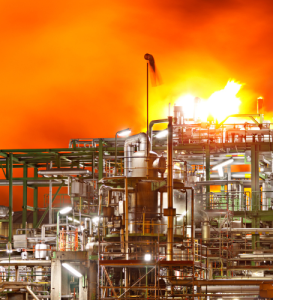 It was a calm afternoon at an oil rig in the Gulf of Alaska when disaster struck. A sudden storm rolled in, bringing violent winds and sub-zero temperatures. The rig’s power systems faltered, communication lines went down, and the workers found themselves stranded miles from the nearest support. As the power failed, safety mechanisms malfunctioned, and critical infrastructure started to freeze. With no way to communicate with mainland responders, the situation turned dire. Hours passed, and with no access to external help, the rig became a ticking time bomb. What started as a typical storm became a life-threatening emergency.
Scenarios like this one are more common than we think, especially for isolated facilities like oil rigs, utility grids, and remote government installations. These facilities are vulnerable to environmental extremes, communication breakdowns, and prolonged power outages, making even routine operations perilous in emergencies.
In February 2021, Winter Storm Uri wreaked havoc across Texas, plunging millions into darkness as the state’s power grid collapsed under freezing conditions (The Texas Tribune) (Texas Oil & Gas Association). Over 4.5 million homes and businesses were left without power for days, causing widespread disruption. The oil and gas industry, particularly in the Permian Basin, suffered enormous setbacks. The freezing temperatures caused natural gas production to plummet as pipelines froze, and vital equipment at remote drilling sites failed.
Remote oil and gas installations were among the hardest hit. With limited access to grid power and harsh weather preventing easy access to backup systems, many remote fields had to halt production. Equipment froze, and crucial operations stalled, resulting in millions of dollars in losses. It became clear that remote installations, dependent on minimal power systems, were particularly vulnerable during prolonged outages.
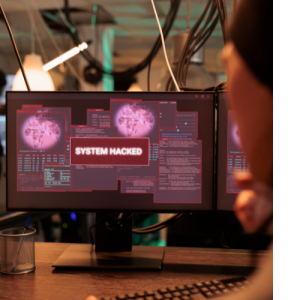 In May 2021, a ransomware attack crippled the Colonial Pipeline, which transports fuel to much of the U.S. East Coast. The attack forced the company to shut down the pipeline for several days, causing widespread fuel shortages and highlighting the growing threat of cyberattacks on critical infrastructure (NCSL). While the Colonial Pipeline wasn’t located in an extremely remote area, the incident underscored how vulnerable essential infrastructure can be to digital threats.
For isolated oil and gas facilities, which rely on digital systems for monitoring and control, a similar attack could have even more severe consequences. Without immediate access to cybersecurity teams, these installations may be forced to shut down for extended periods. In more remote areas, the impact of a cyberattack is amplified by the difficulties in securing equipment and restoring operations in isolated locations.
In Alaska, many communities and industrial sites rely on microgrids to meet their energy needs. These microgrids—isolated from traditional power lines—are vital for areas that experience long, harsh winters and extreme weather conditions (OILMAN Magazine). However, when these systems fail, the consequences can be dire. In some cases, remote communities have been left without power for days during severe winter storms, leading to life-threatening situations as temperatures plummet.
Microgrids in remote Alaskan communities face unique challenges. Heavy snowfall, ice storms, and extended periods of darkness strain energy systems, and if equipment fails, these sites are often left with few options for immediate repair. Many of these locations are only accessible by air or snowmobile during winter months, making quick repairs nearly impossible.
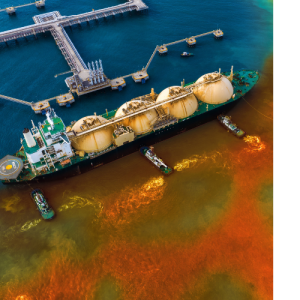 Though over a decade old, the Deepwater Horizon disaster serves as a crucial reminder of how catastrophic emergencies at remote installations can be (NCSL). Located 40 miles off the coast of Louisiana, the oil rig suffered a blowout that resulted in the largest marine oil spill in history. Without immediate access to emergency response teams, the situation quickly spiraled out of control, causing lasting environmental and economic damage.
The blowout revealed the difficulties in managing emergencies at offshore installations, where extreme isolation means that help is hours—if not days—away. Communication systems failed, and remote monitoring equipment couldn’t prevent the disaster from escalating. The need for enhanced monitoring and emergency response capabilities at such remote installations has never been clearer.
Remote facilities, such as oil and gas fields, utility grids, and government installations, face unique vulnerabilities that increase the likelihood of emergencies:
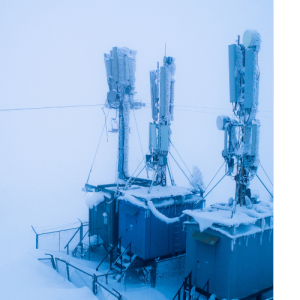 Many remote installations rely on isolated power sources such as generators or microgrids. When these systems fail—whether due to extreme weather or mechanical breakdown—the consequences can be catastrophic. Prolonged power outages can lead to equipment failure, safety risks, and even environmental disasters. For example, in extreme cold, oil pipelines can freeze and rupture without power to maintain temperature controls.
In many isolated locations, communication networks are weak or nonexistent. In the event of an emergency, this leaves facilities without the ability to call for help, alert workers, or shut down operations. Communication breakdowns during a disaster can turn a manageable situation into a life-threatening crisis.
From the frozen tundras of Alaska to the blistering heat of deserts in the Middle East, remote sites are often located in extreme environments that place additional strain on infrastructure. The risk of equipment failure increases dramatically under harsh environmental conditions, especially during prolonged exposure to extreme weather.
Remote installations are also prime targets for sabotage, cyberattacks, and vandalism. Isolated facilities often lack sufficient security measures, and the time it takes for help to arrive can make these locations highly vulnerable to malicious attacks. This has been underscored by the rise in cyberattacks on critical infrastructure, such as the Colonial Pipeline incident.
In the face of the unique risks and challenges that remote installations face—whether it’s severe weather, power instability, communication breakdowns, or cyberattacks—HQE Systems provides comprehensive solutions that ensure resilience, reliability, and safety. Among these is HQE’s revolutionary SAFE Network™. This innovative system is designed to maintain communication, send alerts, and keep people informed even when traditional power grids and cellular networks fail. Here’s a more detailed look at how HQE’s SAFE Network and other solutions tackle critical issues.
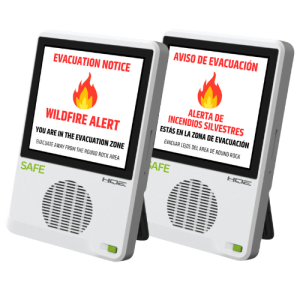 Introducing the SAFE Network™
The SAFE Network™ (Stand-Alone Field Emergency Network) is a critical incident communication system designed specifically for scenarios when other systems—like cellular networks and power grids—are down. Unlike conventional alert systems that depend on infrastructure, the SAFE Network™ operates independently, ensuring that even in the most severe emergencies, critical alerts can still be received and shared.
The SAFE Network PAU™ (Portable Alert Unit) is the core of this system. It operates with its own power supply, ensuring that it remains active for up to 10 days without external electricity. Here’s a deeper dive into the features that make the SAFE Network™ so powerful:
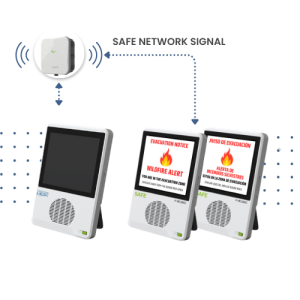 Text Alerts: Another unique feature is its ability to send and receive text messages during emergencies, ensuring that people can communicate with loved ones, emergency services, or teams even during a blackout. For instance, a family could send an update such as “We are safe, stay indoors” even when cellular service has been disrupted.
The versatility of the SAFE Network™ makes it applicable across a range of scenarios and user groups:
In addition to the SAFE Network™, HQE Systems offers a range of other solutions tailored to the unique needs of remote installations:
 HQE’s off-grid power systems are designed to operate in even the most isolated and inhospitable locations. These systems integrate renewable energy sources like solar panels and wind turbines with advanced battery storage and backup generators to ensure a continuous power supply, even during prolonged grid outages.
HQE’s real-time monitoring systems provide a constant stream of data on the performance of equipment, environmental conditions, and energy systems. This level of monitoring allows for early detection of potential failures, enabling operators to take proactive measures before a situation escalates into an emergency.
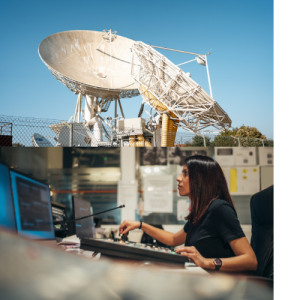 Communication during emergencies is key, and HQE’s solutions ensure that remote facilities stay connected even when traditional communication networks fail. The SAFE Network™ is just one example of how HQE provides redundant communication options to ensure that messages get through in an emergency.
As cyber threats become increasingly sophisticated, remote installations are more vulnerable than ever to attacks that could disrupt operations. HQE’s cybersecurity solutions include advanced firewalls, intrusion detection systems, and automated threat responses to ensure that digital infrastructure remains secure, even in isolated locations.
The future of emergency management for remote installations lies in resilience, adaptability, and innovation. HQE Systems is transforming how oil and gas fields, utility grids, and government installations prepare for and respond to crises. Whether it’s maintaining power during a hurricane, ensuring communication after an earthquake, or preventing cyberattacks, HQE’s solutions provide a comprehensive safety net for the most vulnerable and isolated facilities.
With systems like the SAFE Network™, HQE ensures that critical alerts, power, and communication remain active when everything else fails—ensuring the safety of people, infrastructure, and the environment, no matter the circumstances.

Contact: David Ditto (Early Warning Systems Subject Matter Expert)
Email: David.Ditto@hqesystems.com
Phone Number: (843) 872-7020
____________________
HQE Systems, Inc. | HQE is a Minority-Owned Service Disabled Veteran Owned Small Business (SDVOSB) providing full solutions for: Mass Notification Systems, Electronic Security Systems, Software Development Services, Contract Support, and Prototyping Services. As a brand-agnostic solutions provider, HQE prides itself in providing the BEST solution for the project. HQE possesses over 30+ factory certifications and reseller licenses to ensure our clients receive the highest quality service at the ideal budget. HQE can provide full design, installation, integrations, upgrades, and long-term maintenance support for any size and scope project.