Are Outdoor Warning Sirens Making a Comeback? 

When Every Other Alert Fails, One Sound Still Cuts Through

Imagine a tornado bearing down on your jurisdiction. The power grid is down, cell towers are overwhelmed, and your wireless emergency alerts are bouncing back undelivered. What reaches your residents? A sound. A raw, spine chilling wail cutting through the wind and rain that tells people to move, right now, no questions asked. For years, outdoor warning sirens were dismissed as Cold War relics, destined to be replaced by smartphones and push notifications. But something is shifting across America. Communities are investing in new siren infrastructure at a pace not seen in decades. The siren is far from dead. It never really left.

The Technology the Industry Was Ready to Retire

The case against outdoor warning sirens seemed logical for a while. Wireless Emergency Alerts, IPAWS integration, and location based push notifications gave emergency managers powerful new tools to reach the public. The assumption followed that physical siren networks, expensive to install and maintain, were no longer worth the budget conversation.

That assumption is being reconsidered. Not because the new tools failed, but because emergency managers have learned through real events that no single alerting channel is sufficient. Phones die. Batteries drain. Signals drop in exactly the moments they are needed most. People are outdoors, on job sites, in parks, on farms, in areas with poor coverage. A 127 decibel siren mounted 30 feet in the air reaches all of them simultaneously, with no dependency on a cell tower, a charged device, or an account login.

The principle is straightforward. Redundancy saves lives. And sirens are one of the most reliable redundancy layers available.

Communities Are Putting Real Money Behind Siren Infrastructure

As Stated by Spectrum News St. Louis is one of the clearest examples of what serious investment looks like. After a tornado exposed gaps in the city’s alerting coverage, the city committed to a full siren network overhaul. By April 2026, St. Louis firefighters had personally inspected every siren in the system, with 35 units already upgraded to full remote activation. City officials expect to complete the overhaul by end of May 2026, with a fully automated outdoor warning siren system that requires no human intervention to activate. 

Time Record News reports Wichita Falls, Texas moved in a similar direction. In July 2026, the Wichita Falls Sales Tax Corporation voted to contribute $366,806 toward a brand new outdoor siren system for the city, replacing equipment that had aged past reliable service life. For emergency managers watching budget cycles, that kind of dedicated sales tax funding signals that elected officials are treating siren infrastructure as a public safety priority, not a discretionary line item.

Union City, Michigan: A Community That Could Not Wait

Sometimes it takes a close call. Union City, Michigan is installing a new outdoor warning siren system in July 2026, significantly expanding the community’s emergency alert coverage following a severe weather event that exposed how thin existing coverage had become. The new unit is expected to be operational within days of this writing, mounted to extend acoustic reach across areas the old system could not reliably cover.

Jonesboro, Arkansas: Upgrading While the System Is Still Running

As said by JonesboroRightNow Jonesboro, Arkansas is currently in the middle of a siren system upgrade, with work underway as of July 10, 2026. During the transition, sirens south of Nettleton Avenue are not operating reliably, and the city has been transparent with residents about the coverage gap. The decision to upgrade proactively, before a failure event, reflects exactly the kind of forward planning that after action reviews consistently recommend but jurisdictions do not always follow through on.

These Are Not Your Grandfather’s Civil Defense Sirens

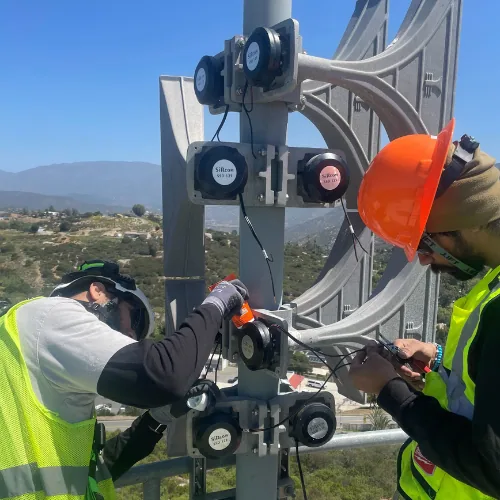
Today’s outdoor warning sirens are considerably more capable than the single tone units many emergency managers grew up testing. Current systems can broadcast voice messages alongside tones, allowing jurisdictions to push specific instructions rather than just a generic alert. Units can be activated remotely, monitored in real time for operational status, and integrated with CAD systems and broader IPAWS workflows.

Paradise, California makes this point better than almost anywhere else in the country. After 85 people died in the 2018 Camp Fire, the town rebuilt its entire emergency alerting strategy from the ground up. The result was a 21 tower outdoor early warning siren system from HQE Systems, funded through state and federal hazard mitigation grants, designed specifically for wildfire evacuation. Each siren runs a 10 minute activation cycle followed by alternating five minute intervals of silence and warning until the emergency clears. The system can receive satellite signals as a backup activation method, meaning it has redundancy built into the redundancy. And in a detail that says something about how seriously Paradise took community buy in, some of the sirens were designed to look like trees so they would blend into the landscape residents were rebuilding. This is not Cold War surplus equipment repurposed. It is purpose built, community funded infrastructure designed around the specific threat that nearly erased a town.

Where HQE Systems Fits Into the New Era

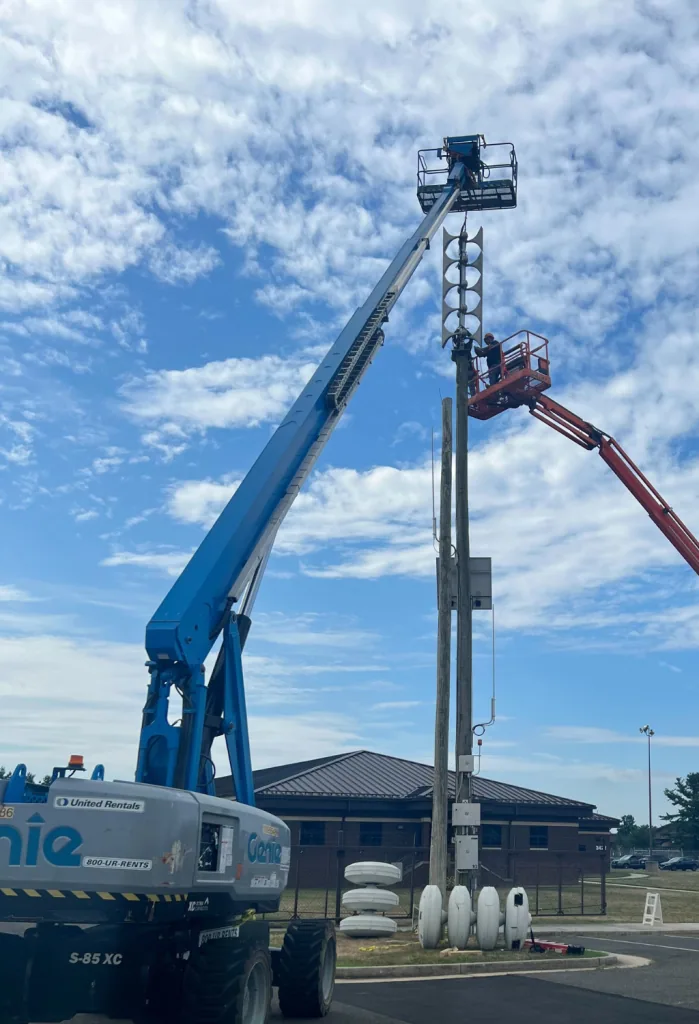
The vendors driving this comeback are not selling nostalgia. They are building purpose engineered platforms designed to survive the environments they are meant to warn people about. HQE Systems is one of the companies leading that work, with a product family built specifically for the modern alerting mission.

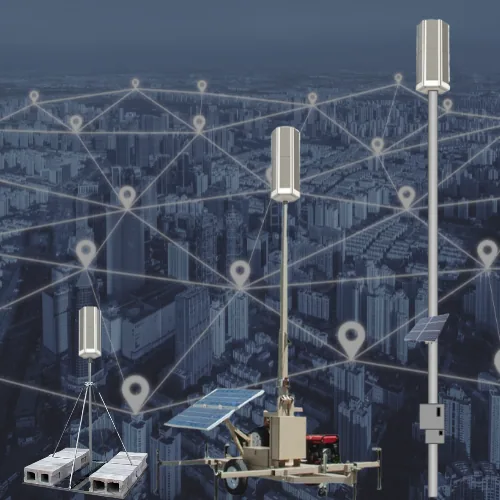
The SiSA™ siren controller software gives emergency managers full remote command over their outdoor warning network, with real time health monitoring, scheduled testing, and instant activation from a centralized platform. Paired with HQE’s Giant Voice outdoor warning sirens, jurisdictions get high output acoustic coverage combined with clear voice broadcast capability, so a single activation can carry both a distinctive tone and specific protective action instructions. For agencies looking to integrate outdoor sirens with indoor alerting, digital signage, and mobile notifications, HQE’s Mass Notification System SiSA™ tie everything together into one operational picture.

This is the direction the industry is moving. Not stand alone hardware, but integrated warning and emergency communication systems that treat the siren as one critical layer inside a coordinated response, engineered for reliability when the grid, the tower, and the app all fail at the same time.

Why the Redundancy Argument Keeps Winning

Climate trends are not moving in a favorable direction for emergency managers. Severe weather events are becoming more frequent and less predictable. Wildfires move faster. Flash floods arrive with shorter lead times. In that environment, any single channel alerting strategy carries increasing risk. The communities investing in siren infrastructure are not doing so because the technology is new or exciting. They are doing so because after action reviews, coverage audits, and real world failure events have shown them where the gaps are.

A siren requires nothing from the person it is warning. No download, no account, no signal, no battery. It activates, it carries, and it triggers a response. For outdoor populations, for power outage scenarios, and for areas with poor cell coverage, that simplicity is operationally irreplaceable.

Modern emergency management relies on overlapping defenses instead of a single technology. Sirens do not replace mobile apps; they partner with them. By anchoring a digital network with a raw acoustic presence, agencies guarantee their message commands immediate attention across the entire horizon when seconds count.

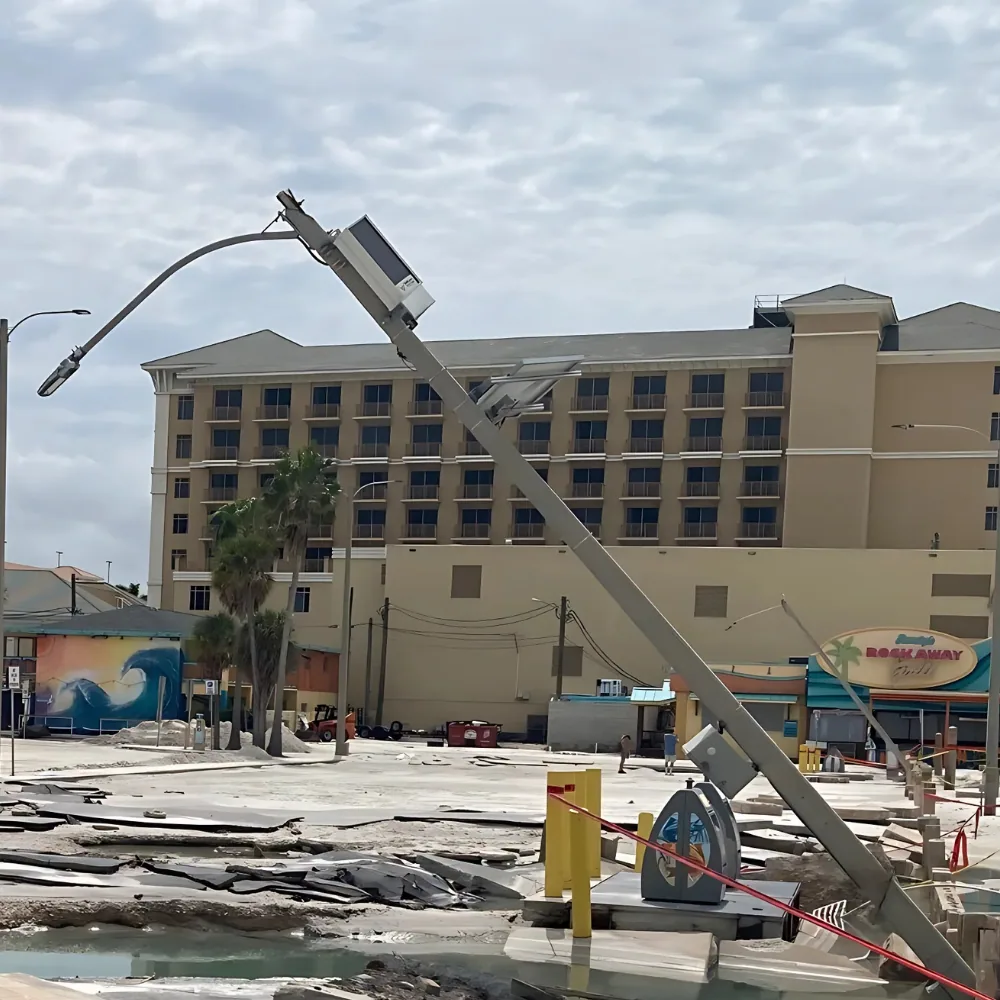
Hurricane Helene City of Clearwater Florida, HQE Systems speaker still alerting even with the pole knocked down.

The Siren’s Second Act

The outdoor warning siren was never truly obsolete. It was waiting for emergency managers to close the loop on what modern alerting systems cannot cover on their own. From St. Louis, Wichita Falls, Michigan, Arkansas, to California jurisdictions in 2026 are reinforcing their alerting infrastructure with systems that ask nothing of the public except to listen. As severe weather grows less predictable and the consequences of an alerting gap grow more serious, the siren remains one of the most dependable tools in the emergency management playbook. Some technologies endure not because they are fashionable, but because when everything else fails, they still work.

HQE Systems is a certified Veteran Owned Company. For more information about HQE Systems Inc. and its emergency management, electronic security, and integration solutions, please visit www.hqesystems.com.

Contact: David Ditto (Early Warning Systems Subject Matter Expert)

Email: David.Ditto@hqesystems.com

Phone Number: (843) 872-7020

____________________

HQE Systems, Inc.   |   HQE is a Minority-Owned Service Disabled Veteran Owned Small Business (SDVOSB) providing full solutions for: Mass Notification Systems, Electronic Security Systems, Software Development Services, Contract Support, and Prototyping Services.  As a brand-agnostic solutions provider, HQE prides itself in providing the BEST solution for the project.  HQE possesses over 30+ factory certifications and reseller licenses to ensure our clients receive the highest quality service at the ideal budget.  HQE can provide full design, installation, integrations, upgrades, and long-term maintenance support for any size and scope project.

www.HQESystems.com