Disaster-Proofing Oil Drilling Sites: How AI Sirens & Smart Cameras Stop Explosions, Storms & Lawsuits Before They Happen!
The evening of January 2, 2025, started like any other for the residents of Antrim, Guernsey County. Then, at 5:30 p.m., a oil drilling site well pad exploded, shaking homes and igniting a fire that burned for 18 hours. The flames reached dangerously close to a nearby house, forcing evacuations. Emergency responders arrived quickly, but the fire was too hazardous to extinguish, leaving them no choice but to let it burn out naturally.
Oil drilling is an industry plagued by unpredictable disasters, putting workers, communities, and the environment at risk. In this blog, we explore the pain points of oil drilling worker safety and how AI-driven sirens and smart cameras can help prevent future catastrophes before they happen.
Oil drilling is an essential part of the energy industry, but it comes with inherent dangers. Operators must navigate a complex landscape of environmental hazards, worker safety concerns, regulatory compliance. Below are some of the most critical pain points that threaten the success and sustainability of oil drilling operations.
 Why It’s a Problem:
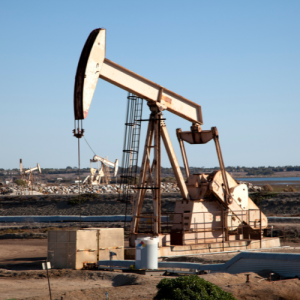
Oil drilling sites handle volatile gases, chemicals, and high-pressure drilling operations—creating a perfect storm for explosions and fires. Equipment failures, human error, and gas leaks can trigger catastrophic ignition events, endangering workers and assets. Once a fire or explosion starts, containment is difficult, leading to massive financial losses and potential lawsuits.
Real-World Example:
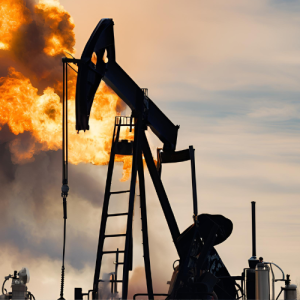
A oil drilling well pad explosion in Antrim, Guernsey County, on January 2, 2025, caused a fire that burned for 18 hours. The fire resulted from a storage tank incident and led to road closures, evacuations, and significant safety concerns. Local firefighters opted to let the fire burn out rather than risk environmental contamination. Gulfport Energy, the company operating the well, has faced previous EPA violations for Clean Air Act non-compliance. (Finn Smith, January 27, 2025, The Post).
Oil drilling operations are vulnerable to extreme weather, which can damage equipment, disrupt production, and endanger workers. Many fracking sites are in remote areas, making them especially exposed to severe storms, tornadoes, and hurricanes. Without proper warning systems and mitigation strategies, operators face costly downtime, environmental hazards, and safety risks.
Severe weather presents multiple dangers to oil drilling operations:
 Current Industry Gaps
Despite these risks, many oil drilling sites lack proper weather preparedness due to:
In Oklahoma in 2023, a severe storm caused multiple lightning strikes at a oil drilling site, igniting storage tanks. The fire forced an emergency evacuation and shut down operations for weeks, resulting in millions in damages and regulatory fines. The lack of automated warning systems and preemptive safety measures worsened the incident. (OKC Fox, July 6, 2023)
As severe weather events become more frequent, oil drilling operators must adopt proactive safety measures. AI-driven monitoring systems, automated shutdown protocols, and real-time weather tracking can help mitigate risks. Investing in these technologies ensures faster response times, better emergency preparedness, and reduced operational disruptions.
Regulatory agencies such as the EPA, OSHA, and state environmental boards enforce strict compliance measures to prevent contamination, air pollution, and worker safety violations. Failing to meet these regulations can result in multi-million-dollar lawsuits, penalties, and even shutdowns.
 Chemical spills and gas leaks contaminate groundwater and soil, threatening ecosystems and public/worker health.
Many oil drilling operators struggle with compliance due to:
Gulfport Energy, the operator of the Antrim well pad explosion, has a history of environmental violations. In 2020, the company settled with the EPA for $1.7 million after failing to comply with the Clean Air Act at multiple fracking sites in Ohio. These violations included excessive emissions of volatile organic compounds (VOCs), which contribute to air pollution. The same well pad later exploded in 2025, raising further concerns about Gulfport’s safety and compliance history. This pattern of repeated violations highlights ongoing regulatory challenges within the industry. (Finn Smith, January 27, 2025, The Post).
To avoid legal troubles and environmental damage, oil drilling operators must invest in AI-driven compliance tracking and automated leak detection. Implementing real-time monitoring, predictive analytics, and digital reporting tools can help ensure that companies stay ahead of regulatory requirements. By adopting proactive compliance solutions, operators can reduce legal risks, protect the environment, and maintain a sustainable business model.
Additionally, greater transparency in safety and environmental reports can help companies build trust with regulators and the public. AI-powered documentation and data-driven compliance reports can help businesses demonstrate their commitment to ethical fracking practices. The future of fracking must include advanced safety technology, early detection of hazards, and strict adherence to regulations in order to remain viable in an increasingly regulated industry.
Oil drilling operations involve high-risk activities that expose workers to dangerous conditions daily. From handling heavy machinery and hazardous chemicals to working in high-pressure environments, the risks are constant. Despite industry regulations and safety standards, accidents still occur—often with catastrophic consequences. Fires, toxic gas leaks, and structural failures can turn routine operations into deadly incidents. Without advanced safety systems and rapid-response mechanisms, these accidents lead to injuries, fatalities, legal liabilities, and operational shutdowns.
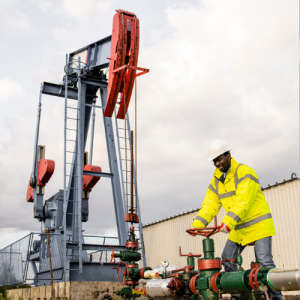 Worker safety in oil drilling is compromised by multiple hazards:
Despite these risks, many oil drilling sites rely on outdated safety measures that fail to detect hazards in real time or provide rapid response solutions. Some of the most pressing gaps include:
Real-World Example
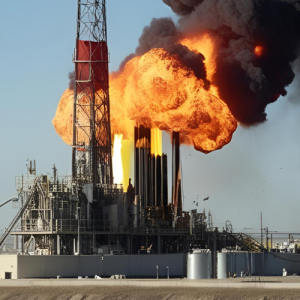 In North Dakota in 2021, an explosion at a oil drilling site near Grassy Butte severely injured three workers due to insufficient safety measures during blasting operations. According to an OSHA investigation, the site lacked proper hazard monitoring, and workers were not provided with adequate protective equipment or evacuation protocols. The explosion released hazardous fumes, exposing workers to toxic chemicals and leading to serious respiratory issues.
Investigators found that:
This case underscores how the absence of proactive safety measures can amplify the severity of workplace accidents. Without integrated monitoring, automated alerts, and protective measures, oil drilling sites remain vulnerable to preventable injuries, long-term health risks, and operational shutdowns. (OSHA, May 9, 2022, Workplace Explosion Investigation Report).
Oil drilling sites require cutting-edge safety technology to protect workers, infrastructure, and the surrounding environment. HQE Systems specializes in mass notification, real-time monitoring, and advanced safety integrations, making us the ideal partner for fracking operations looking to enhance their emergency preparedness and response capabilities. Our solutions are designed to provide instant alerts, live monitoring, and centralized management, ensuring that fracking operators can react swiftly and effectively to hazards—whether it’s an explosion, toxic gas leak, or severe weather event.
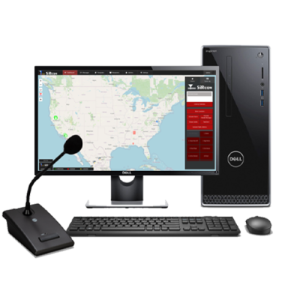 One of the biggest challenges oil drilling companies face is managing multiple well pads across different locations. HQE Systems’ SiSA (Smart Integrated Safety Alerts) Software provides a centralized solution that allows operators to control and monitor all sites from one platform.
Oil drilling sites operate in harsh environments where safety, efficiency, and rapid response to critical events are paramount. HQE Systems’ SiRcom SMART Alert Software (SiSA) enhances security and operational efficiency by integrating seamlessly with advanced sensor technologies used in oil drilling operations.
SiSA integrates with a range of industrial sensors deployed across drilling sites, including:
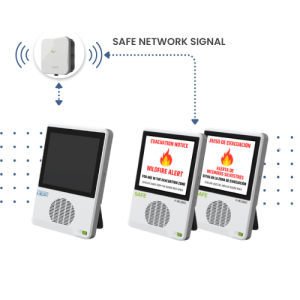 Oil drilling sites are often located in remote areas where power outages and cellular disruptions can cripple communication during an emergency. HQE Systems’ SAFE (Secure Alert & Failover Emergency) Network ensures that safety alerts are always delivered, even in the worst conditions.
During an emergency, oil drilling operators need a way to alert everyone on-site immediately. HQE’s Mass Notification Sirens are designed to cut through environmental noise and deliver clear, loud alerts across large distances.
Oil drilling operations require constant surveillance to detect hazards, security threats, and operational failures before they escalate. HQE Systems provides AI-powered CCTV camera solutions that integrate seamlessly with SiSA and SAFE Network, allowing for real-time monitoring and automated alerts.
 A major challenge in emergency response is ensuring that every worker is accounted for during an evacuation or crisis. HQE Systems’ FORTRESS Real-Time Location Monitoring Badges provide live tracking of personnel, allowing safety managers to immediately locate and assist workers in danger.
By integrating FORTRESS badges with SiSA and SAFE Network, oil drilling operators can ensure total site safety, account for every worker, and optimize emergency response efficiency.
What sets HQE Systems apart is our ability to integrate all safety technologies into one streamlined platform. By combining SiSA, SAFE Network, Mass Notification Sirens, AI-Integrated CCTV Cameras, and FORTRESS Location Monitoring Badges, oil drilling operators can:
Oil drilling is a high-risk industry, but HQE Systems delivers the safety solutions you need to protect your workers, infrastructure, and bottom line. Our integrated AI-driven mass notification, monitoring, and emergency response systems ensure that your sites remain safe, compliant, and prepared for any emergency.
Don’t wait for disaster to strike—equip your oil drilling sites with HQE’s advanced safety solutions today! Contact us to learn how we can customize a safety and emergency response system tailored to your specific needs.

Contact: David Ditto (Early Warning Systems Subject Matter Expert)
Email: David.Ditto@hqesystems.com
Phone Number: (843) 872-7020
____________________
HQE Systems, Inc. | HQE is a Minority-Owned Service Disabled Veteran Owned Small Business (SDVOSB) providing full solutions for: Mass Notification Systems, Electronic Security Systems, Software Development Services, Contract Support, and Prototyping Services. As a brand-agnostic solutions provider, HQE prides itself in providing the BEST solution for the project. HQE possesses over 30+ factory certifications and reseller licenses to ensure our clients receive the highest quality service at the ideal budget. HQE can provide full design, installation, integrations, upgrades, and long-term maintenance support for any size and scope project.