
When an emergency escalates, the last thing any emergency manager needs is to log into multiple systems, switch between platforms, or waste precious seconds navigating complicated software. SiSA was created with one purpose in mind: simplify the entire alerting process while giving agencies more power, clarity, and reliability. As a unified alerting platform that activates indoor systems, outdoor sirens, and electronic notifications with a single push of a button, SiSA removes complexity and strengthens community protection. Backed by customizable design, seamless integration, and the resilience of the SAFE Network, SiSA ensures critical alerts reach people even when power and cellular networks fail.
Across the country, emergency managers are facing a growing set of challenges that make reliable communication more important than ever. Disasters are becoming faster, more destructive, and harder to predict, often unfolding in ways that strain even the most experienced teams. Yet in many jurisdictions, the tools available to manage these events remain fragmented. Indoor alerting systems operate separately from outdoor sirens, and digital notifications often require entirely different software. In a high pressure moment, switching between multiple platforms is more than an inconvenience, it introduces risk and slows critical action.
Many agencies still depend on legacy sirens, aging PA systems, or older hardware that is costly to replace. At the same time, most alerting processes rely heavily on cellular networks and local power infrastructure, both of which are vulnerable during severe weather, wildfires, earthquakes, and other large scale emergencies. When these systems go down, entire communities can suddenly be left without access to critical instructions or timely evacuation guidance.
Layered on top of these technical challenges is the growing public expectation for immediate and accurate alerts delivered through every available channel. Emergency managers must move quickly while avoiding missteps, all while coordinating information across teams, jurisdictions, and platforms. To meet today’s demands, they need a communication system that is unified, resilient, and scalable across cities, counties, and campuses.
Beyond these challenges, emergency managers also balance staffing limitations, aging infrastructure, complex coordination demands, and increasing expectations from residents seeking clear, timely information.

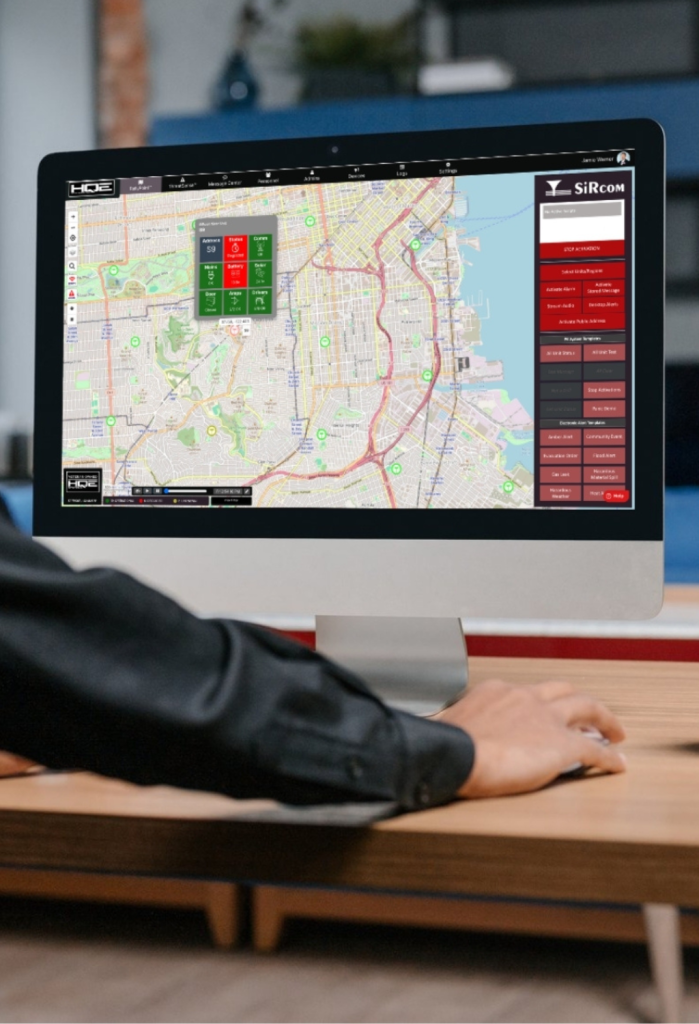
SiSA was created to solve one of the biggest challenges in emergency communication, the need for a single platform that can manage every type of alert quickly, clearly, and without added complexity. Instead of expecting emergency managers to navigate multiple systems during high stress situations, SiSA brings indoor alerting, outdoor sirens, digital notifications, and electronic messaging together into one unified environment. The idea behind SiSA is simple, to give agencies one place where they can activate every alerting channel they depend on.
Unlike generic mass notification tools, SiSA was built specifically for emergency scenarios. HQE Systems is a software development company at its core, which means SiSA is not limited to preset templates or rigid workflows. Every deployment can be customized to the needs of a city, county, school system, campus, or industrial facility. Whether a community faces hurricanes, wildfires, chemical risks, severe weather, or campus threats, SiSA can be shaped to match the exact operational requirements of that environment.
At every level, SiSA is designed for reliability, clarity, and simplicity. It gives emergency managers a system that works the way they need it to, without unnecessary steps or complicated processes. In critical moments, SiSA allows teams to focus on protecting people, not managing software.
SiSA eliminates the confusion and delays caused by juggling separate tools, giving emergency managers a single reliable interface that performs consistently under pressure. This unified approach streamlines operations, reduces errors, and ensures that critical alerts are delivered without hesitation or complexity.
During a real emergency, every second matters and every step in a workflow can introduce risk. SiSA was built to eliminate that complexity. Instead of requiring emergency managers to log into multiple systems or coordinate different platforms under pressure, SiSA activates every alerting channel with a single push of a button. This unified approach is one of the strongest advantages SiSA brings to emergency operations.
With one action, SiSA launches indoor notifications across connected buildings and facilities. At the same time, it activates outdoor sirens, from legacy tone systems to modern voice capable installations. PA systems, digital signage, and electronic message boards can deliver real time instructions instantly. The system also triggers strobes, tones, and text based alerts, ensuring every environment receives a clear and immediate signal.
This matters because emergencies rarely unfold slowly or predictably. The ability to activate multiple systems at once significantly reduces the cognitive load placed on emergency managers. They no longer have to switch between software platforms, remember separate logins, or manage multiple activation steps. The risk of error drops dramatically when all communication channels operate through a single, unified platform.
Equally important, a one button workflow ensures that every message remains consistent across indoor, outdoor, and digital channels. The public receives the same guidance at the same moment, no matter where they are. This coordinated communication helps reduce confusion, increase compliance, and improve overall response.
SiSA gives agencies the ability to communicate clearly, quickly, and confidently when lives depend on it.
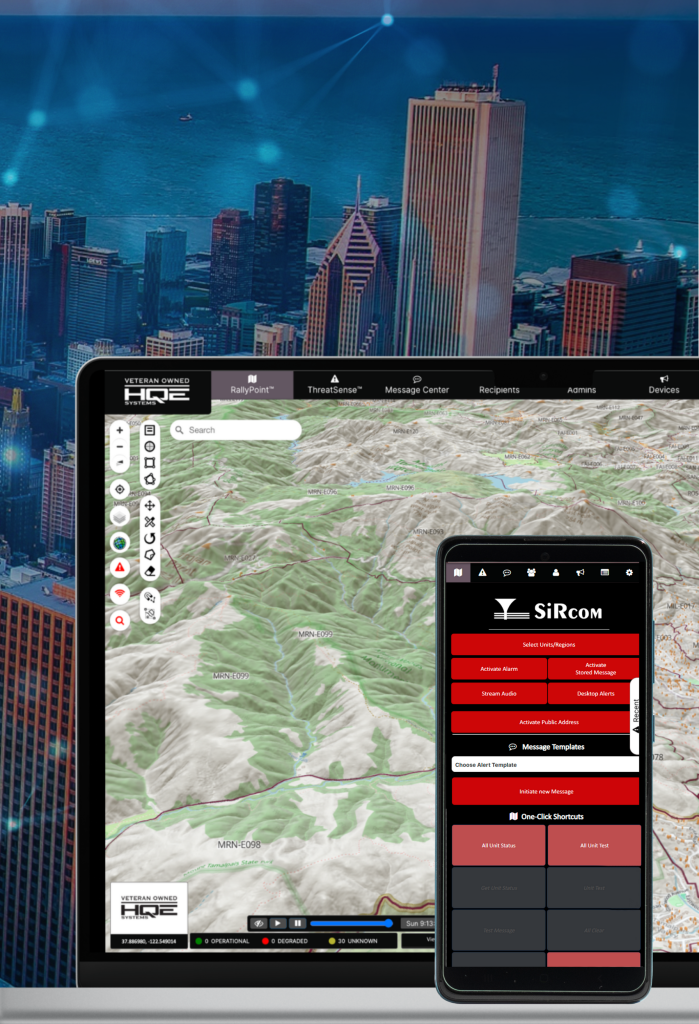

No two communities operate the same way, which is why SiSA was designed to be fully customizable from the ground up. Instead of forcing emergency managers into rigid, predefined workflows, SiSA adapts to the reality of each jurisdiction. Agencies can build multiple workflows based on hazard type, allowing wildfire responses to look different from tornado warnings, flood alerts, hazmat incidents, or active shooter situations. Custom activation buttons can be created for the actions teams use most, helping reduce decision time during fast moving events.
Location based alert rules add even more flexibility by allowing targeted messages to specific neighborhoods, buildings, campuses, or rural zones without overwhelming the rest of the population. SiSA also offers tailored dashboards for emergency operations centers, dispatch centers, and public information officers. Each team can operate from an interface that reflects its responsibilities and workflow instead of a one size fits all layout. Even agency branding, terminology, and alert categories can be adjusted to match local standards.
This level of customization matters because every community faces different risks, follows different procedures, and manages different infrastructures. SiSA adapts to emergency managers, not the other way around, creating a system that fits naturally into existing operations while improving clarity and speed when it counts.
SiSA’s flexibility ensures agencies never feel limited by rigid software rules. Instead, the platform molds itself around local hazards, infrastructure, and operational expectations, giving emergency managers the freedom to design a system that truly reflects how their community responds to critical events.
One of the most significant advantages of SiSA is its ability to integrate with the technology agencies already have in place. Many communities rely on legacy equipment that is still functional, reliable, and familiar to staff, yet older systems often struggle to connect with modern alerting platforms. SiSA closes this gap by supporting a wide range of existing infrastructure, allowing emergency managers to modernize without discarding millions of dollars worth of equipment.
SiSA can activate legacy sirens, whether mechanical or electronic, and works with both analog and digital siren controllers. It integrates with indoor PA systems used in schools, government buildings, hospitals, and campuses, enabling synchronized alerts across voice and tone channels. Digital signage, strobes, and message boards can be connected to SiSA so visual messages appear at the same moment outdoor signals or mobile alerts are triggered.
Beyond traditional alerting hardware, SiSA also connects with sensors that detect floods, severe weather, fire conditions, and air quality changes. It can interface with access control systems, fire panels, and other building management technologies to create automated or semi automated responses depending on the scenario. These integrations allow agencies to unify their notification process without replacing equipment that already works well.
This approach offers major benefits. Agencies save substantial money by avoiding unnecessary replacement projects. They maintain the systems their staff already knows how to operate. And they experience a smooth, low disruption transition to a modern, unified platform. SiSA acts as the bridge between legacy hardware and next generation emergency communication.

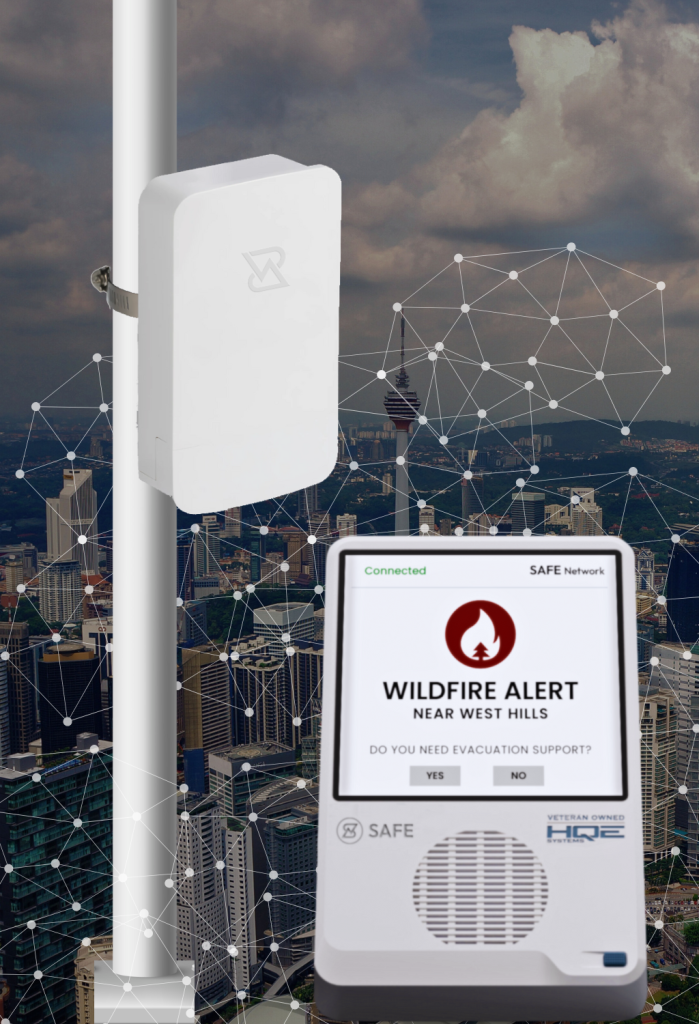
When traditional communication infrastructure breaks down, most emergency notification systems lose their ability to function. Power failures, damaged cell towers, fiber outages, and network congestion can all silence the tools that communities rely on during critical moments. This is why the SAFE Network was created. Unlike systems that depend on commercial cellular or internet services, the SAFE Network is a long range, self healing mesh network built specifically for resilient emergency communication.
The SAFE Network operates independently of the power grid, allowing alerts to move through the network even when entire regions experience blackouts. Each SAFE node communicates with nearby nodes, creating multiple pathways for messages to travel. If one node goes offline or becomes damaged, the network routes around it automatically. There is no single point of failure, and communication continues even under extreme conditions.
SiSA takes full advantage of this resilience. During power outages or cellular disruptions, SiSA uses the SAFE Network to send electronic alerts directly to SAFE Units located in homes, schools, offices, and remote areas. Indoor receivers remain functional through battery backup, ensuring people indoors still receive instructions. Outdoor sirens can also be activated through the SAFE Network, allowing communities to alert the public even when traditional activation paths are unavailable.
By bypassing failing cellular networks and avoiding dependence on commercial infrastructure, SiSA ensures total continuity. Alerts reach their destination regardless of external conditions. This creates redundant communication pathways and provides emergency managers with a reliable way to reach the public during catastrophic events.
Indoor alerting is often the weakest link in community notification, especially when cellular networks fail or when people are inside buildings where outdoor sirens cannot be heard. SAFE Units were designed to solve this problem by providing a reliable, self contained alerting device that continues to operate even when traditional communication systems go down. Because SAFE Units receive alerts through the SAFE Network, they do not depend on cell towers, internet service, or local power infrastructure.
Each SAFE Unit delivers multiple forms of alerting, including tones, strobes, and digital text instructions. This multi modal approach ensures that people receive the message regardless of noise levels, visibility, or accessibility needs. The units include built in battery backup, allowing them to function through extended power outages. Their versatility makes them ideal for rural homes, office buildings, schools, medical facilities, government sites, and any location where reliable indoor communication is essential.
SiSA also integrates directly with a wide range of PA systems, including both modern and older installations found in schools, hospitals, campuses, and government buildings. This allows live announcements, prerecorded messages, or tone alerts to be triggered through the same one button workflow that activates SAFE Units.
Through SiSA, activating SAFE Units and connected PA systems becomes effortless. One button triggers every SAFE Unit, indoor speakers, outdoor sirens, and digital notification channels at once. This ensures that indoor populations are never left uninformed, even during widespread outages or rapidly evolving emergencies. By connecting directly to the SAFE Network, SAFE Units and PA systems deliver dependable indoor alerting when communities need it most.
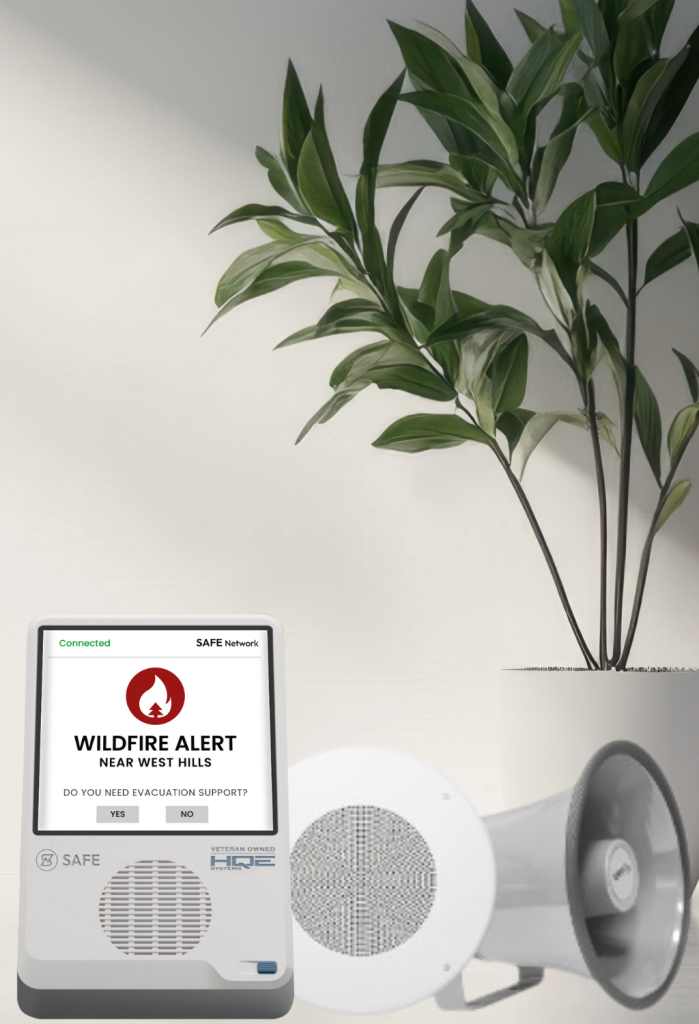
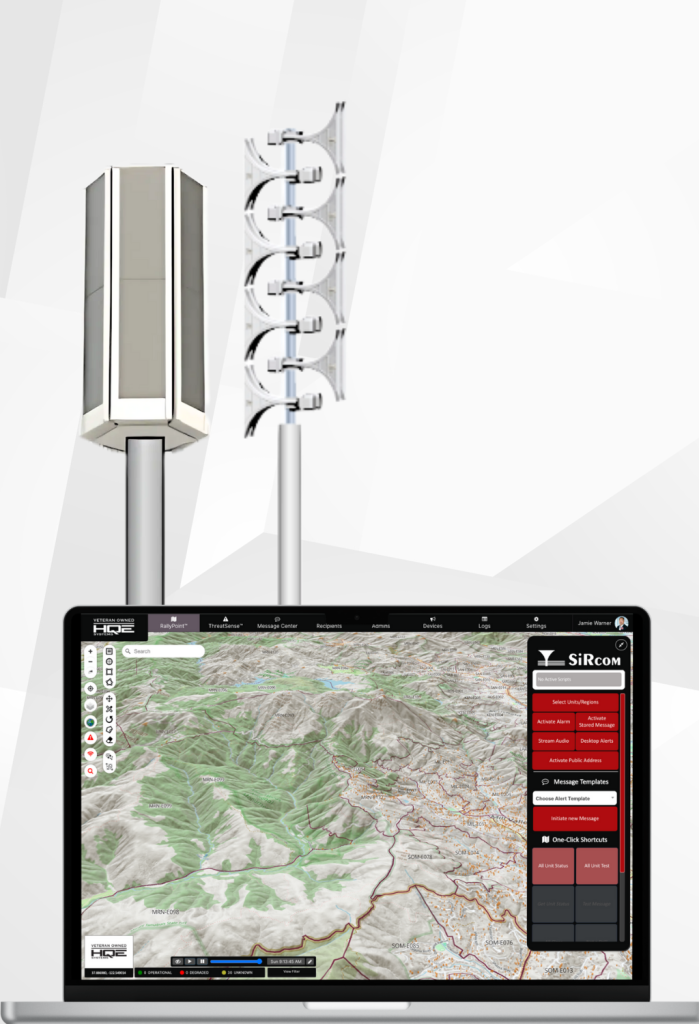
Outdoor sirens remain one of the most effective ways to reach large populations quickly, especially in areas where people may not have cell service, may not be near a device, or may be outdoors during an unfolding emergency. SiSA strengthens this critical layer of protection by giving agencies the ability to activate any type of outdoor siren from a single, unified platform. Whether a community uses tone only systems, voice capable electronic sirens, or older mechanical units, SiSA can trigger them all with ease.
SiSA supports both voice and tone based alerting, allowing emergency managers to deliver clear spoken instructions when needed or rely on traditional tones for rapid warning. Even communities with decades old sirens can modernize instantly because SiSA can activate legacy systems through the SAFE Network. This eliminates the need for expensive replacement projects and keeps existing infrastructure fully operational.
One of the strongest advantages is redundancy. During power failures or cellular outages, SiSA can still trigger sirens through the SAFE Network’s resilient mesh architecture. This ensures that outdoor alerting remains functional even when conventional activation paths are unavailable.
By combining SiSA’s one button activation with SAFE Network connectivity, agencies achieve full community coverage. Outdoor sirens become part of a larger, unified system that stays reliable under any conditions.
Emergencies move quickly, and emergency managers often have only seconds to review information, make decisions, and communicate clearly. SiSA supports this process with built in AI tools designed to reduce cognitive load and streamline critical tasks. Instead of navigating multiple data sources or manually drafting messages under stress, users can rely on SiSA’s AI to simplify and accelerate the workflow.
One of the most valuable AI features is the ability to assist with drafting IPAWS messages. The system generates clear, structured alert text that follows federal guidelines, helping emergency managers communicate faster while maintaining accuracy. SiSA also prioritizes incoming threat data, placing the most urgent information at the forefront so teams can respond to what matters most.
The AI engine highlights risk factors or operational details that may have been overlooked during fast moving events, helping reduce errors and improve situational awareness. These tools work quietly in the background, supporting emergency managers without replacing their judgment or authority.
By reducing delays and minimizing manual steps, SiSA’s AI features help teams move from recognition to action more efficiently. In high pressure situations where clarity and speed save lives, the added intelligence built into SiSA gives emergency managers valuable support for faster, more confident decision making.
SiSA’s AI engine continuously analyzes information in real time, helping emergency managers stay aware of evolving conditions without manually sorting through overwhelming data. This intelligent support gives teams clearer insight, faster understanding, and greater confidence when every second directly impacts public safety.


SiSA is built to meet the rigorous standards required for emergency communication. It is fully compatible with the Integrated Public Alert and Warning System, allowing agencies to deliver official alerts through IPAWS with confidence. SiSA also meets federal requirements including NDAA and TAA, giving government agencies assurance that the technology aligns with procurement and security regulations. In addition, the platform supports NFPA guidelines related to emergency communication and life safety.
Security is a core priority. SiSA uses end to end encryption to protect sensitive information and prevent unauthorized access. Role based authentication ensures that only approved personnel can send alerts or modify settings. The platform also maintains complete audit trails that track every action, providing transparency and accountability for after action reviews and compliance checks.
These protections give emergency managers a reliable and secure environment for communication during high stakes situations.
Beyond regulatory compliance, SiSA is designed to operate within the strict cybersecurity environment required by government agencies, critical infrastructure, and healthcare organizations. Every component of the platform is developed with security in mind, ensuring that alerts cannot be spoofed, intercepted, or altered. This protects both the integrity of the message and the trust the public places in official communication. SiSA’s architecture supports secure integrations with existing IT systems, reducing vulnerabilities while maintaining the flexibility needed for modern emergency operations.
SiSA is designed to support a wide range of emergencies that require fast, coordinated communication. During wildfires, evacuation orders can be issued instantly across indoor, outdoor, and digital channels, helping people move quickly as conditions shift. In hurricanes, when cell towers fail and power outages spread, SiSA works through the SAFE Network to activate sirens and SAFE Units so communities continue receiving critical alerts.
Flooding in rural areas often disrupts communication infrastructure. SiSA’s ability to target specific zones and deliver alerts through mesh connected SAFE Units ensures isolated residents are not left without information. Chemical releases or industrial accidents require precise, geotargeted messaging that can activate both indoor systems and outdoor sirens. SiSA handles this with a single workflow.
For tornadoes, simultaneous activation of sirens and indoor devices is essential because seconds matter. SiSA coordinates every channel instantly. Even during widespread blackouts, SiSA and the SAFE Network allow agencies to continue sending alerts without relying on traditional networks.
These real world examples reflect SiSA’s strength as a unified communication platform designed for unpredictable, high risk events.
SiSA also supports planned events and non emergency situations where clear communication is just as important. Large public gatherings, school reunification efforts, utility maintenance notifications, severe weather drills, and community wide safety exercises all benefit from SiSA’s unified activation capabilities. Agencies can deliver consistent instructions across every channel without creating confusion or relying on multiple systems. This makes SiSA a dependable tool not only during life threatening events, but also during day to day operations that strengthen preparedness and community trust.
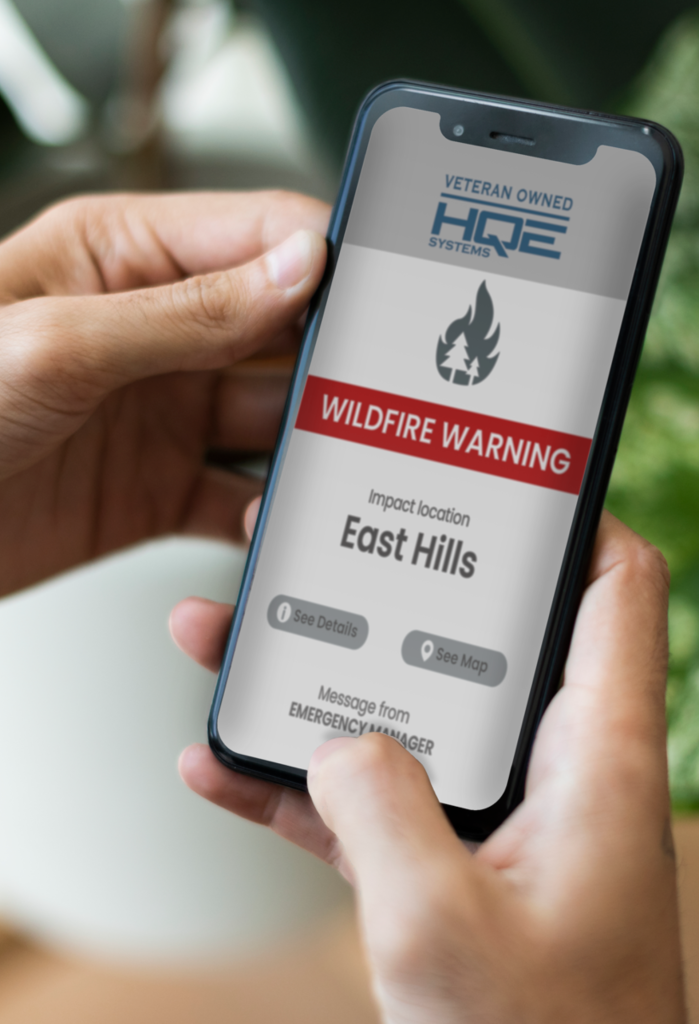
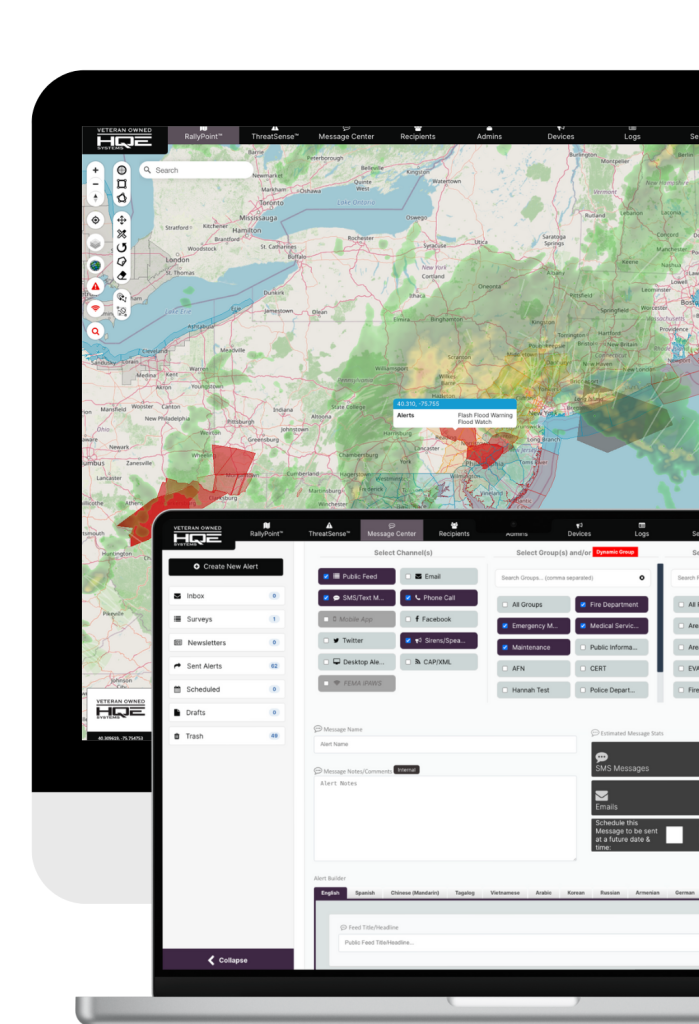
SiSA stands out because it solves problems that traditional emergency notification systems cannot. Its one button activation removes complexity and drastically reduces the chance of error. Unlike fixed template software, SiSA is fully customizable and adapts to each community’s needs. Its ability to integrate with existing infrastructure prevents costly replacement projects and protects long term investments.
SiSA continues to function even when power and cellular networks fail, a capability few platforms offer. AI driven tools support emergency managers by reducing delays and improving accuracy under pressure. Most importantly, SiSA brings indoor, outdoor, and digital alerting together into one unified platform, ensuring that communities receive consistent and synchronized communication.
These advantages make SiSA a next generation solution for agencies seeking a reliable and modern approach to life safety.
SiSA also stands apart because it was created by a team that understands the realities of emergency management. Instead of being built as a general communication tool, SiSA was engineered for high pressure environments where clarity, speed, and reliability determine outcomes. The platform eliminates unnecessary steps, reduces decision fatigue, and gives emergency managers the confidence that every alert will activate exactly as intended. This operational focus makes SiSA not just a notification system, but a mission driven tool designed to support people responsible for protecting entire communities.
SiSA gives emergency managers a unified, resilient, and intelligent alerting platform built for the real challenges communities face today. It simplifies operations, strengthens communication, and ensures alerts continue to reach people even when infrastructure fails. By preserving existing equipment while adding advanced capabilities, SiSA helps agencies modernize without disruption or unnecessary cost. If your community is ready for a reliable and flexible solution that supports indoor, outdoor, and digital alerting from one place, SiSA brings everything together into a seamless system designed to protect lives when it matters most.