
SiSA: The Alerting Software That Can Be Customized for Every Community
Emergency managers operate in environments that are shaped by geography, population, and risk. A rural county faces challenges very different from those of a dense urban center, a school campus, or an industrial facility. Yet many alerting platforms are built around the assumption that every community works the same way. These one size systems often introduce delays, confusion, and unnecessary workarounds during critical moments. When lives are at stake, alerting tools must adapt to the realities on the ground. SiSA was built with this understanding, offering a flexible platform designed to support how each community actually responds to emergencies.
A rural jurisdiction may span hundreds of square miles with limited infrastructure, sparse population density, and fewer communication pathways. Reaching residents quickly often means covering long distances where power and cellular service are unreliable or nonexistent. Alerting strategies in these areas must account for isolation, delayed response times, and the need for broad but precise coverage.
Urban environments present a different challenge. Dense populations, layered jurisdictions, and overlapping agencies require alerting systems that can coordinate messaging without overwhelming the public. A single incident may affect one neighborhood while leaving another untouched, making targeted alerts essential to avoid confusion and alert fatigue.
Campuses add another layer of complexity. Schools and universities operate on schedules, house large indoor populations, and require fast, localized communication that reaches people inside classrooms, dormitories, and facilities where outdoor sirens may not be heard. Timing and clarity are critical to ensure staff and students respond appropriately.
Industrial sites and critical infrastructure facilities face specialized hazards and regulatory requirements. Chemical processes, access controlled areas, and workforce safety protocols demand alerting workflows that are highly specific and often very different from public facing alerts.
Identical alert workflows fail across these environments because they ignore operational realities. Emergency managers need systems that reflect how their communities actually function. Customization is not a convenience. It is a requirement for effective, confident response when every decision matters.

Many alerting platforms were built to standardize communication, but standardization often comes at the cost of flexibility. Fixed templates may work for routine notifications, yet they rarely reflect the complexity of real incidents. Emergencies evolve quickly, and rigid message structures can force emergency managers to choose between speed and accuracy.
Rigid workflows present another challenge. When software requires multiple steps, approvals, or screen changes, response time slows at the moment when clarity and decisiveness matter most. Under stress, these systems can increase cognitive load instead of reducing it, making the process harder rather than easier.
Targeting is another common weakness. Without the ability to easily define affected areas, systems may over alert large populations or under alert those who are actually at risk. Over time, this leads to public confusion, alert fatigue, and reduced trust in emergency messaging.
To compensate, many emergency managers rely on manual workarounds. These include switching between systems, rewriting messages on the fly, or activating channels separately to get the right coverage. While these practices reflect experience and dedication, they also introduce risk during fast moving events.
When every action must be taken quickly, the margin for error is small. The more a system resists adaptation, the greater the chance of mistakes, delays, or inconsistent messaging. This reality highlights a critical truth. Alerting software should adapt to emergency managers and their communities, not force them to adapt during a crisis.
SiSA was created with a clear understanding that emergency communication cannot rely on static tools or fixed assumptions. Unlike platforms that began as generic messaging systems and were later adapted for public safety, SiSA was built from the ground up by a software development company focused on emergency operations. The design process started with how emergencies actually unfold, not how software menus are typically structured.
Real emergency workflows guided every aspect of the platform. From initial alert activation to message refinement and channel selection, SiSA is designed to support the decisions emergency managers make under pressure. The goal is to reduce friction, eliminate unnecessary steps, and provide clarity during moments when time and accuracy are critical.
Customization is not limited to the initial deployment. As community risks change and operational needs evolve, SiSA can be adjusted without disrupting existing processes. New hazards, updated protocols, and changing infrastructure can all be reflected in the system over time.
Most importantly, SiSA avoids forcing agencies into predefined processes. Instead, it adapts to local procedures, organizational structures, and response strategies. This flexibility ensures that emergency managers remain in control, supported by software that aligns with their experience rather than competing with it.
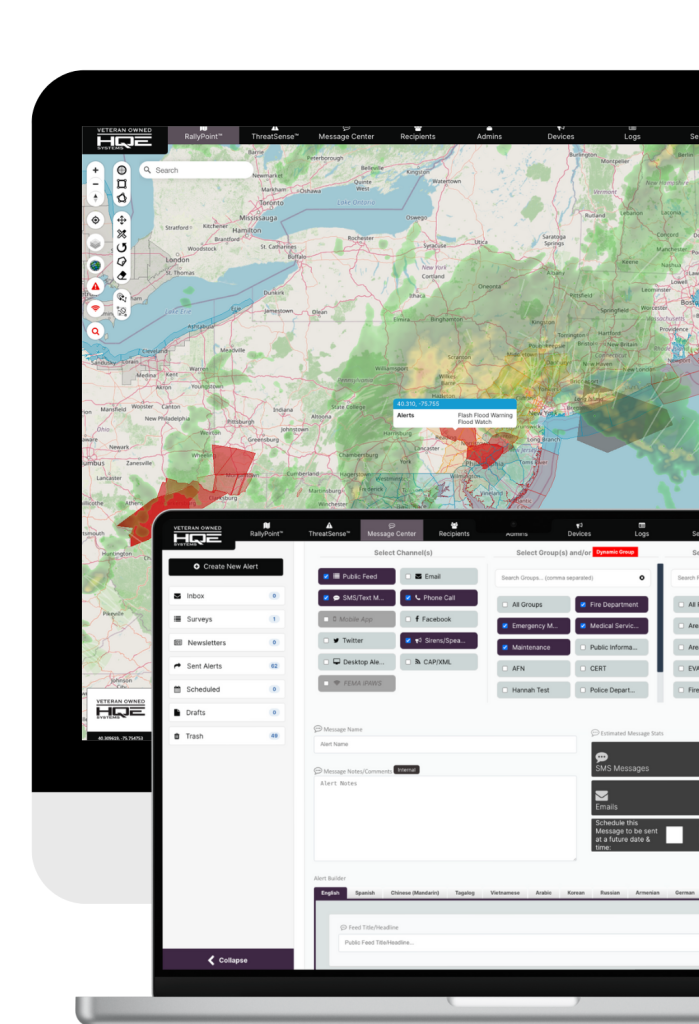
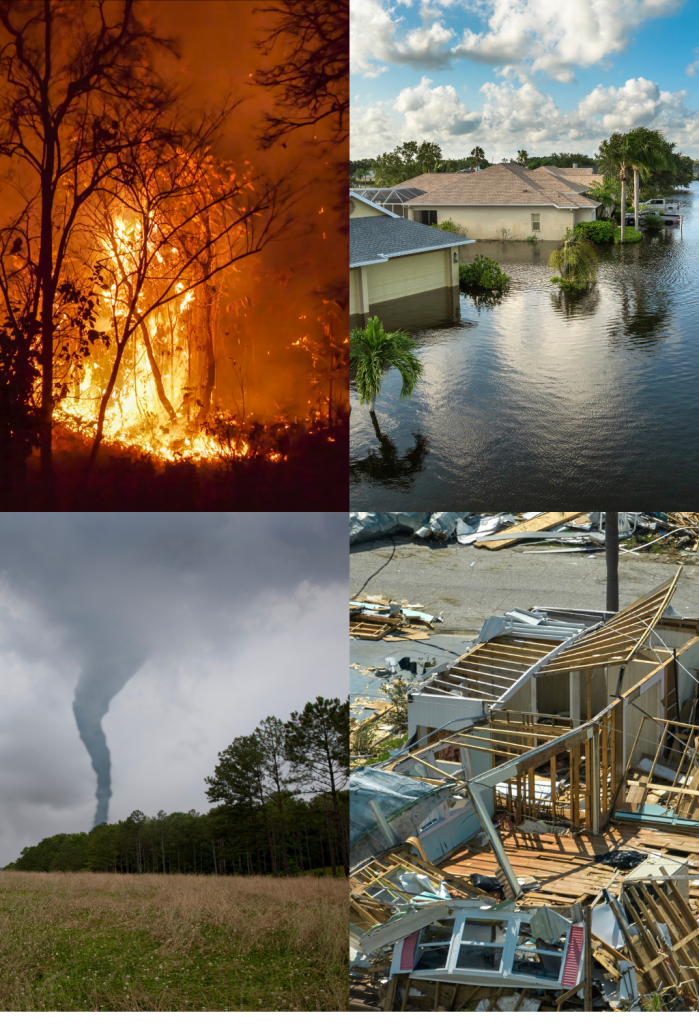
Different hazards demand different responses, and alerting workflows must reflect that reality. A wildfire evacuation requires rapid escalation, broad geographic coverage, and frequent updates as conditions change. A tornado warning, by contrast, may require immediate activation of sirens and indoor alerts within a narrow time window, often with little advance notice. Treating these scenarios the same introduces unnecessary friction and risk.
Flooding presents its own challenges, often unfolding over hours or days and affecting specific zones rather than entire jurisdictions. Messaging must be targeted and updated as water levels rise. Chemical releases or industrial incidents demand precise, location specific alerts, coordination with specialized response teams, and careful message wording to avoid public panic while still conveying urgency.
Active threat events require yet another approach. These situations often involve controlled information flow, rapid decision making, and distinct approval paths that differ from weather related alerts. Attempting to manage all of these incidents through a single generic workflow forces emergency managers to mentally reconfigure the process during already stressful moments.
SiSA allows agencies to build workflows based on hazard type, with predefined activation steps, messaging options, and approval paths tailored to each scenario. Instead of deciding how to respond while the incident unfolds, emergency managers can rely on structured workflows that reflect established protocols.
This approach reduces cognitive load, limits hesitation, and accelerates activation. By aligning alerting workflows with real world hazards, SiSA helps emergency managers move from recognition to action with confidence, even under intense pressure.
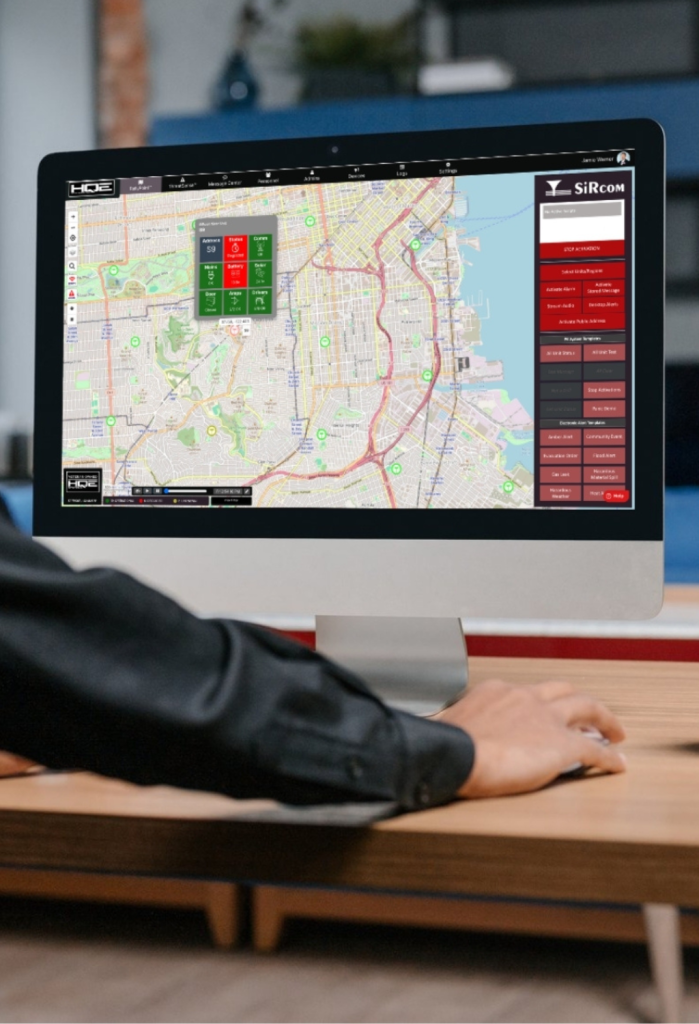
Custom activation buttons in SiSA are designed around local protocols, allowing agencies to configure one button actions for the incidents they face most often.
These buttons can be tailored to trigger the exact combination of alerts required for a specific situation, whether that involves activating sirens, sending indoor alerts, or initiating electronic notifications. By aligning activation options with established procedures, SiSA removes unnecessary steps that slow response during critical moments.
Buttons can be created for common incidents such as severe weather warnings, evacuation notices, or shelter in place alerts. This consistency allows staff to respond quickly without needing to search menus or remember complex sequences under stress.
Custom activation buttons also reduce training time. New personnel can learn the system faster because the interface mirrors real operational language and workflows. Over time, this consistency supports reliable performance across shifts, teams, and personnel changes.
By simplifying activation while preserving control, SiSA helps emergency managers maintain speed and accuracy when it matters most.
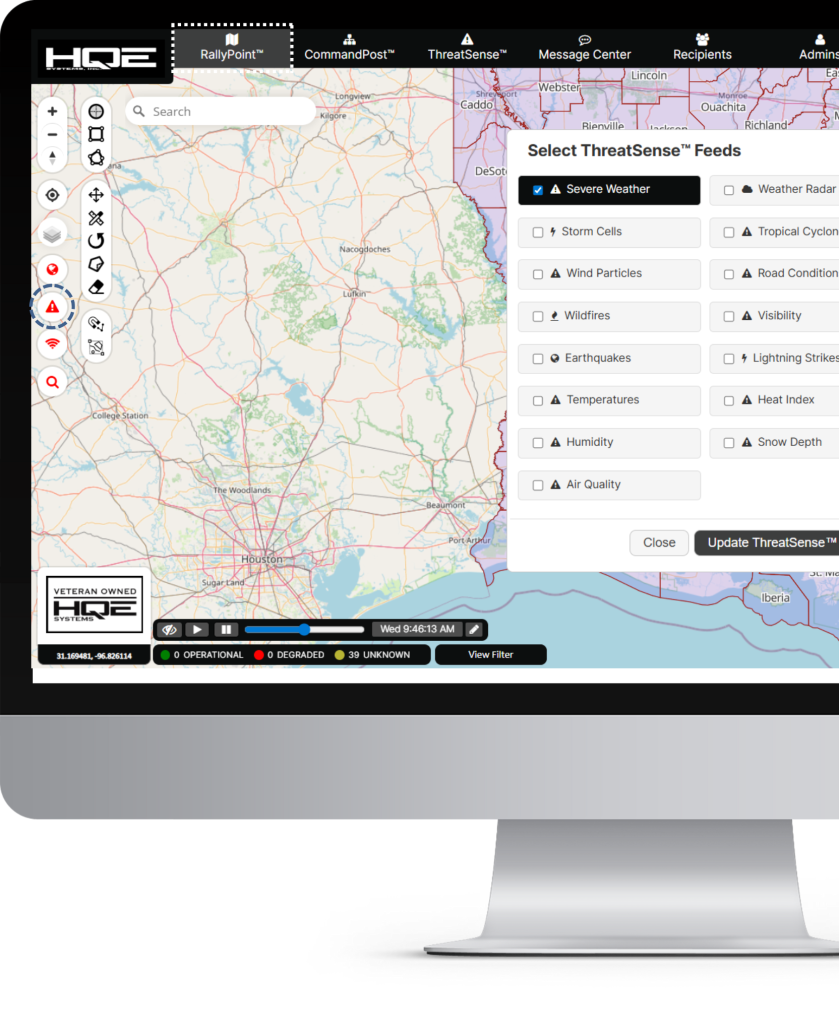

Emergency response involves many roles, each with different responsibilities and information needs. A single, shared dashboard often forces users to navigate irrelevant data, slowing response and increasing confusion. SiSA addresses this by providing role based dashboards that allow each team to interact with the platform in ways that match their operational focus.
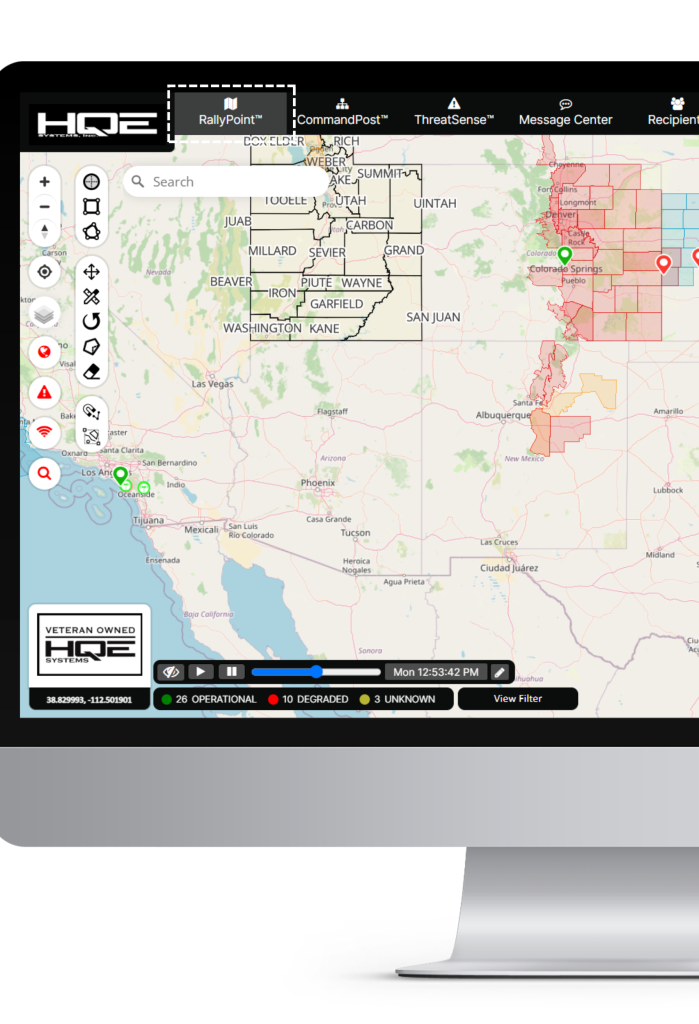
Emergency Operations Centers benefit from dashboards designed for coordination and situational awareness, offering a comprehensive view of active alerts, affected areas, and system status. Dispatch focused views prioritize speed and clarity, emphasizing quick activation, confirmation, and status updates without unnecessary complexity.
Public Information Officers require tools that support message review, consistency, and public facing communication. SiSA dashboards for these roles emphasize message clarity, timing, and alignment across channels. Leadership and command staff benefit from high level visibility into alerts, coverage areas, and system performance, allowing them to make informed decisions without needing to manage technical details.
While all users operate within the same platform, SiSA recognizes that shared software does not mean identical screens. By tailoring dashboards to roles, the system reduces clutter, improves focus, and helps each team perform effectively during both routine operations and high pressure incidents.
Precision is critical in emergency communication. Sending alerts to people who are not affected can create confusion and reduce trust, while failing to reach those at risk can have serious consequences. SiSA supports location based rules that allow emergency managers to deliver targeted alerts based on geography, facilities, and operational zones.
Neighborhood level targeting enables agencies to alert specific areas without activating messages county wide. This is especially valuable during flooding, infrastructure failures, or localized public safety incidents. Building specific alerts allow messaging to reach people inside particular facilities, supporting campuses, healthcare environments, and government buildings where indoor populations may not hear outdoor sirens.
Campus zones and facilities can be grouped and managed independently, ensuring alerts align with schedules, occupancy patterns, and safety protocols. In rural areas, location based rules prevent over alerting entire regions when only a small zone is affected, preserving public attention and reducing alert fatigue.
By delivering alerts only where they are needed, SiSA reduces public confusion and improves compliance. Residents are more likely to trust and respond to messages that clearly apply to their location. This precision strengthens community confidence and helps emergency managers communicate more effectively during fast moving events.
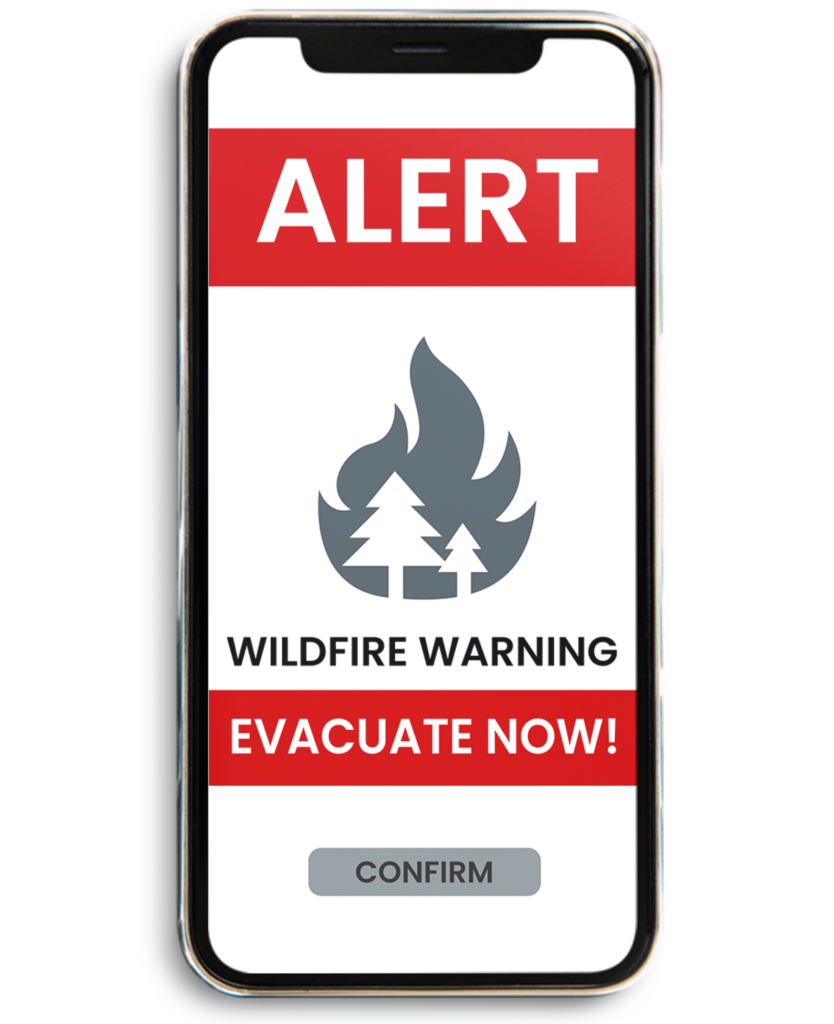
Customization is not just a preference in emergency management. It directly affects how quickly and accurately alerts are delivered. When workflows, buttons, and dashboards reflect local procedures, emergency managers can act without hesitation. Familiar layouts reduce the time spent navigating software and allow teams to move immediately from recognition to activation.
Under stress, even small inefficiencies can lead to mistakes. Customization helps reduce errors by limiting unnecessary options and guiding users through predefined actions. Emergency managers do not have to second guess which steps to take or which channels to activate because those decisions have already been structured into the system.
This clarity reduces the need for follow up corrections or message retractions, which can confuse the public and strain resources. Instead, alerts are delivered correctly the first time, increasing public trust and operational confidence.
As a result, emergency managers gain greater confidence in their response. They can focus on managing the incident itself rather than managing the technology. Customization transforms alerting software from a potential obstacle into a reliable extension of the response process, supporting faster, more accurate decision making when every second matters.
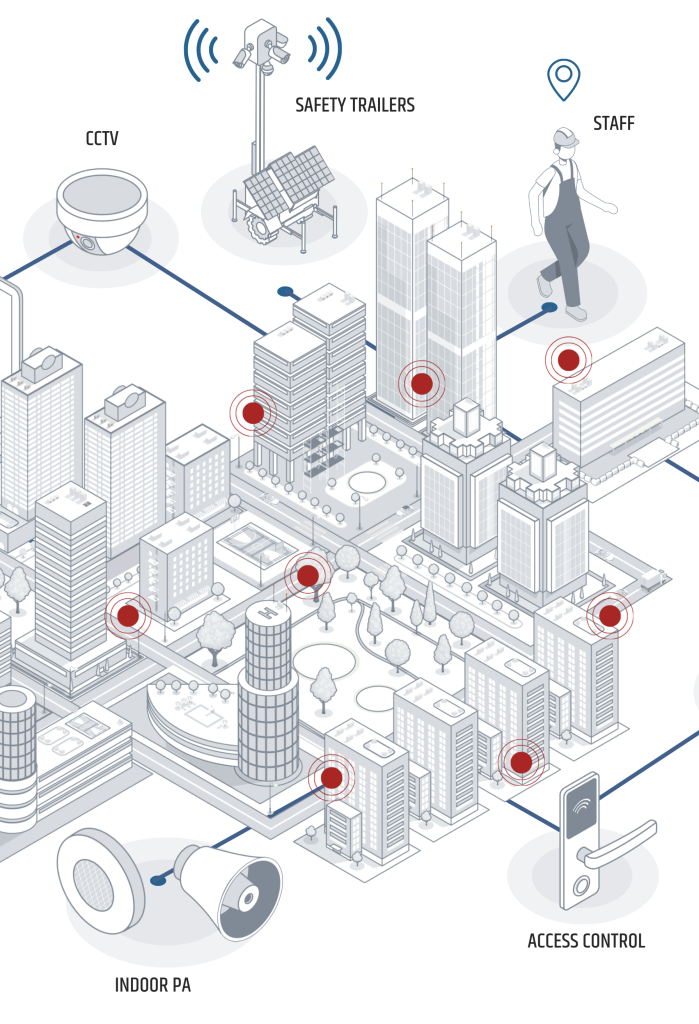
Modernizing emergency communication does not require abandoning existing infrastructure. Many agencies have invested significant resources into sirens, PA systems, signage, and sensors that continue to function effectively. SiSA is designed to integrate with these systems, allowing customization to enhance rather than replace what is already in place.
Legacy sirens can be connected into customized workflows, enabling agencies to activate them alongside modern alerting channels. PA systems across different facilities can be integrated and configured based on location, role, or incident type, ensuring consistent communication without duplicating effort.
Digital signage and message boards can also be incorporated, providing visual alerts that support accessibility and reinforce messaging in public spaces. Sensors and triggers such as weather monitoring or environmental detection systems can feed into SiSA workflows, allowing alerts to be initiated automatically or with minimal user input.
This integration avoids costly rip and replace projects while preserving operational familiarity. Emergency managers can modernize their alerting capabilities incrementally, maintaining continuity and control. By acting as a unifying layer across both legacy and modern systems, SiSA ensures customization works seamlessly within existing environments, supporting long term resilience and adaptability.
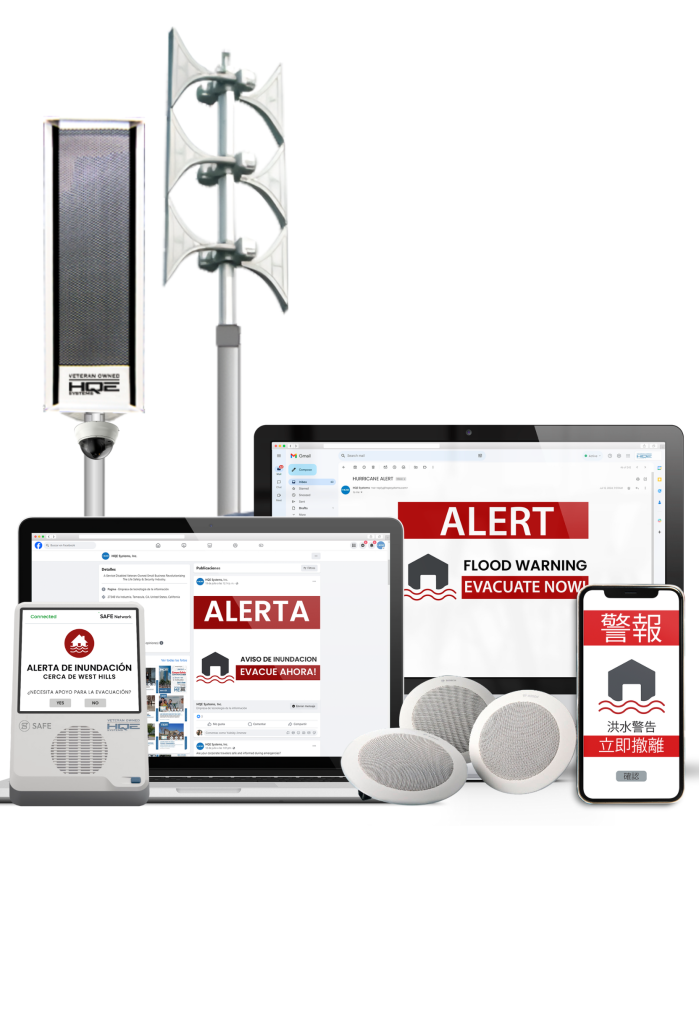
Effective emergency communication depends on delivering the right message through the right channels at the right time. Indoor, outdoor, and digital alerts each serve different purposes, and customization ensures they work together instead of competing for attention. Messaging that is appropriate for an outdoor siren may need to be more detailed indoors, while digital alerts often provide supplemental instructions or updates.
SiSA allows emergency managers to tailor messaging by channel while maintaining alignment across all alerts. Outdoor sirens can signal urgency and prompt immediate attention, while indoor alerts deliver clearer instructions in spaces where sirens may not be heard. Digital alerts reinforce these messages with text, voice, or visual content that residents can reference as situations evolve.
Timing and sequencing are also critical. Certain alerts may need to activate simultaneously, while others should follow in a specific order to avoid confusion. Customization enables agencies to control how alerts are layered and delivered, ensuring information is received in a logical and effective manner.
Accessibility considerations are built into this approach. Visual, audible, and electronic alerts can be combined to reach people with different needs and abilities. By ensuring consistent messaging across all channels, SiSA helps emergency managers deliver clear, unified communication that supports understanding and compliance during emergencies.
Customization does more than improve response during emergencies. It also strengthens long term operations by supporting training, continuity, and institutional knowledge. When alerting systems reflect local procedures and terminology, new staff can learn them more quickly and confidently.
Clear workflows and custom activation buttons reduce reliance on informal knowledge passed between individuals. Instead of depending on memory or experience alone, procedures are built directly into the system. This consistency helps ensure reliable performance across shifts, personnel changes, and evolving team structures.
Customization also improves after action reviews. When workflows are clearly defined, it becomes easier to evaluate what worked well and where adjustments are needed. Emergency managers can refine procedures, update configurations, and improve future responses without starting from scratch.
Over time, this approach supports continuous improvement. As risks change and communities grow, SiSA can evolve alongside them. By embedding clarity and flexibility into daily operations, customization helps agencies maintain readiness and resilience long after the initial deployment.

One size alerting systems fail because communities are not uniform. Emergency managers operate in environments shaped by unique risks, infrastructure, and populations, and their tools must reflect that reality. Flexibility, not friction, is what enables effective response when conditions are uncertain and time is limited.
SiSA adapts to each jurisdiction’s workflows, hazards, and operational needs. By supporting customization across workflows, interfaces, and communication channels, it helps emergency managers deliver faster, clearer, and more accurate alerts. This adaptability leads to stronger public trust and safer outcomes.
Alerting platforms should serve people, not software. By placing emergency managers and communities first, SiSA provides a system designed to support real world response and protect lives when it matters most.