
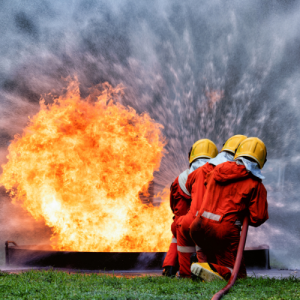
 It happened in an instant—an explosion ripped through a Texas Tech University chemistry lab, sending flames and smoke pouring into the sky. Emergency sirens blared, students evacuated, and first responders scrambled to contain the 18-hour fire that forced campus-wide shutdowns. Investigators later determined that the cause was a chemical reaction gone wrong, yet the signs of danger had been overlooked (AP News).
Meanwhile, across the country, school shootings are rising, leaving students and faculty facing a terrifying reality—active threats with delayed emergency response times (Education Week).
These are not isolated incidents. Gas leaks, power outages, cyber threats, and hazmat accidents are becoming all too common on campuses nationwide. Yet, many schools still rely on outdated emergency protocols, leading to slow response times, confusion, and preventable tragedies.
The question is clear: How can campuses shift from reacting to disasters to preventing them? The answer lies in advanced safety technology—AI-powered alerts, real-time monitoring, and automated response systems that detect risks before they escalate.
The time to act is now.
In 2025, universities are more than just educational institutions—they are mini-cities facing the same security challenges as major metropolitan areas. From violent crimes and cyberattacks to hazmat accidents and extreme weather events, campuses have become increasingly complex environments that require advanced safety measures.
Traditional campus security systems—blue light emergency phones, text alerts, and manual lockdown procedures—are struggling to keep up. The risks are evolving faster than the responses, leaving students, faculty, and staff vulnerable to preventable disasters.
Universities today face security challenges as complex as major cities. From violent crimes and cyber threats to hazmat accidents and natural disasters, campuses are increasingly vulnerable to high-impact emergencies.
Traditional safety measures—blue light phones, PA systems, and manual lockdowns—are no longer enough. As risks evolve faster than responses, outdated systems delay emergency action, endangering students and faculty.
 Active shooter incidents continue to rise, with delayed response times leading to preventable casualties (Education Week).
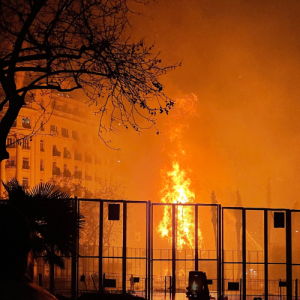
A chemical explosion at Texas Tech University forced campus-wide evacuations and burned for 18 hours before being controlled (AP News).
 Where Did the Response Fail?
This disaster underscores the urgent need for proactive safety technology.
School shootings are one of the most pressing campus safety concerns, with 2025 already recording multiple incidents (Education Week).
 How Technology Can Save Lives
The Texas Tech explosion and rising school shootings prove one thing—reactive security measures are failing. Universities must embrace AI-powered safety solutions, real-time monitoring, and mass notification networks to prevent tragedies before they happen.
The next section will explore HQE Systems’ cutting-edge technology and how universities can proactively enhance campus safety.
For decades, universities have relied on reactive safety measures—blue light emergency phones, text alerts, and manual lockdown procedures. While these tools serve a purpose, they often fall short in fast-moving crises where seconds determine survival.
The evolving landscape of campus threats demands a technology-driven approach—one that can predict, prevent, and respond to emergencies before they escalate. By leveraging AI, IoT sensors, and predictive analytics, universities can move beyond outdated security models and create a truly proactive campus safety ecosystem.
 1. The Failure of Reactive Campus Safety Models
Many campuses still rely on outdated emergency response methods, including:
Response time is everything in an emergency, yet:
The consequence? Precious minutes are wasted, increasing casualties, chaos, and liability for institutions.
A new approach is needed—one that integrates AI-powered automation, predictive analytics, and real-time emergency response systems.
 AI-Powered Threat Detection: Stopping Emergencies Before They Start
Artificial Intelligence (AI) has revolutionized security by detecting potential threats before they escalate. On campuses, AI-driven security solutions can:
Internet of Things (IoT) sensors act as digital eyes and ears across campus, providing instant alerts for environmental hazards:
By analyzing historical crime data, behavioral patterns, and social media activity, predictive analytics can:
By leveraging AI and IoT-driven insights, universities can predict and neutralize threats before they become emergencies.
 Bridging the Gap Between Physical and Digital Security
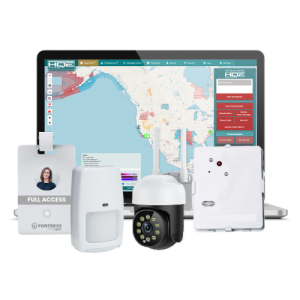
A truly effective safety strategy combines both physical security infrastructure and digital intelligence:
Several universities have already adopted AI-driven security models with significant success:
Threats often start online before manifesting in real life. Universities must:
Campuses can no longer afford to react to emergencies—they must prevent them before they happen. AI, IoT sensors, and predictive analytics provide the tools to detect, communicate, and act faster than ever before.
In the next section, we will explore how HQE Systems’ technology solutions are transforming campus safety, offering institutions the tools to protect students, faculty, and staff in real time.
Modern campus threats require fast, automated, and reliable safety solutions. HQE Systems delivers integrated emergency response technology that protects students, faculty, and staff before, during, and after crises.
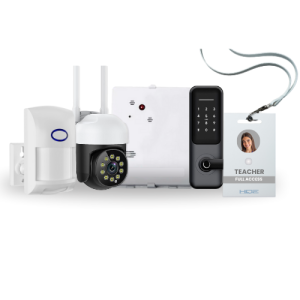 Delays in emergency communication cost lives. HQE’s Unified Mass Notification System™ ensures instant alerts across multiple platforms to keep campuses informed.
Many universities rely on opt-in alerts, but these fail due to low enrollment, network congestion, and limited reach. HQE’s multi-channel redundancy guarantees notifications are received, even during infrastructure failures.
A locked door can be the difference between safety and disaster. HQE’s Fortress Technology™ provides real-time access control and automated lockdowns to prevent unauthorized entry and enhance security.
Keycards and manual lockdowns are outdated and slow. HQE’s Fortress Technology™ ensures security measures activate instantly when needed most.
 Active shooter situations demand split-second responses. HQE’s AI-powered threat detection instantly identifies gunfire, tracks movement, and alerts first responders within seconds.
Campuses that have implemented AI security solutions report a 40 percent reduction in crime and 50 percent faster police response times. HQE’s threat detection technology helps security teams neutralize threats before they escalate.
HQE’s Electronic Security Services safeguard people, assets, and data through end-to-end security solutions.
With 80 percent of campus crimes involving unauthorized access, HQE’s integrated security solutions close dangerous gaps in campus protection.
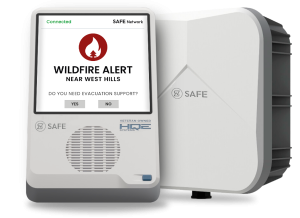 Power outages and overloaded networks cripple traditional emergency systems. HQE’s SAFE Network™ operates independently, ensuring uninterrupted emergency communication.
Universities that implemented SAFE Network™ maintained zero communication downtime during severe storms, allowing for faster evacuations and safer responses.
Emergency preparedness is not optional—it’s a necessity. HQE Systems delivers real-time, AI-powered, and fully integrated security solutions that ensure campus safety under all conditions.
The next emergency is not a matter of if—but when. Will your institution be ready?
 Universities can no longer afford to rely on outdated safety measures. The threats facing campuses today—chemical explosions, active shooter incidents, and infrastructure failures—are real, growing, and more complex than ever. Delayed responses, manual security protocols, and unreliable communication systems put lives at risk when every second counts.
HQE Systems is at the forefront of modern campus security, delivering AI-driven threat detection, automated mass notification, and resilient emergency communication networks. Our technology eliminates delays, enhances situational awareness, and ensures campuses remain secure even in worst-case scenarios.
Investing in proactive safety solutions is no longer an option—it is a necessity. Universities that fail to modernize risk catastrophic consequences, legal liabilities, and irreparable loss. The time to act is now.
If your institution is ready to move beyond outdated security models and implement cutting-edge emergency response technology, HQE Systems is here to help.

Contact: David Ditto (Early Warning Systems Subject Matter Expert)
Email: David.Ditto@hqesystems.com
Phone Number: (843) 872-7020
____________________
HQE Systems, Inc. | HQE is a Minority-Owned Service Disabled Veteran Owned Small Business (SDVOSB) providing full solutions for: Mass Notification Systems, Electronic Security Systems, Software Development Services, Contract Support, and Prototyping Services. As a brand-agnostic solutions provider, HQE prides itself in providing the BEST solution for the project. HQE possesses over 30+ factory certifications and reseller licenses to ensure our clients receive the highest quality service at the ideal budget. HQE can provide full design, installation, integrations, upgrades, and long-term maintenance support for any size and scope project.